In the realm of interior design, the 3D WPC Wall Panel has emerged as a revolutionary material. Dr. Emily Johnson, a leading expert in sustainable building materials, states, "3D WPC Wall Panels bring both aesthetic and functional benefits to modern spaces." These panels combine wood fibers and plastic, offering a unique texture while being eco-friendly.
The benefits of 3D WPC Wall Panels are numerous. They enhance the visual appeal of spaces with intricate designs. Additionally, they are durable and resistant to moisture, making them suitable for various environments. These features open up endless applications, from residential homes to commercial settings.
While the advantages are clear, some may find the initial cost to be a barrier. However, the long-term savings on maintenance and their lifespan often outweigh this concern. As we explore the advantages and applications of 3D WPC Wall Panels, it is crucial to weigh both the benefits and potential challenges in their use.
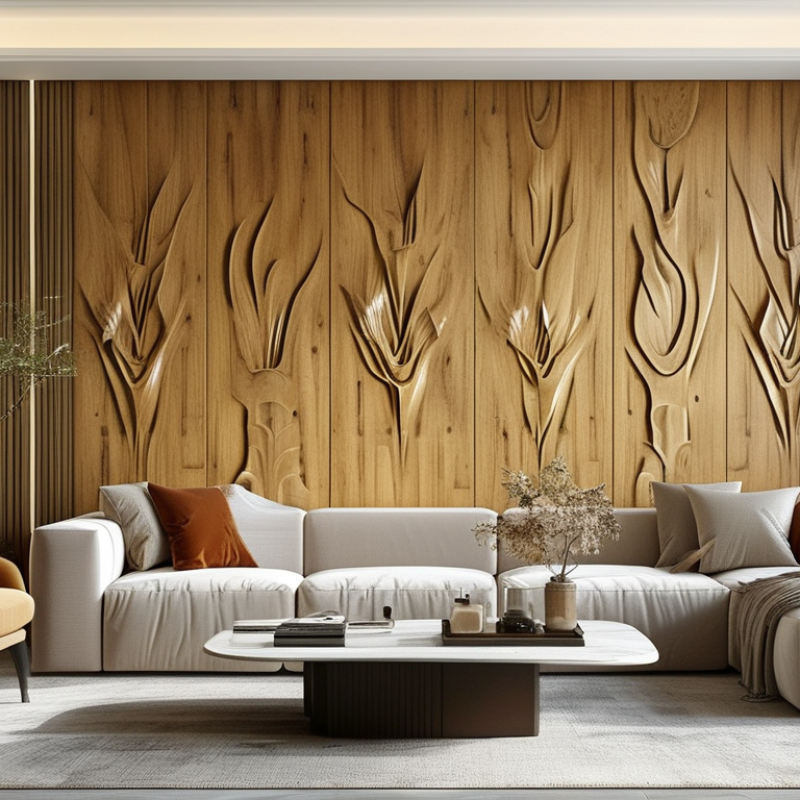
What is 3D WPC Wall Panel: An Overview of Material Composition
3D WPC wall panels are innovative materials combining wood and plastic. This unique composition offers durability and aesthetic appeal. The wood fibers provide a natural look, while the plastic components enhance moisture resistance. These panels are lightweight, making them easy to install.
One major benefit of 3D WPC panels is their versatility. They can be used in various applications, from residential interiors to commercial spaces. You might choose them for accent walls, ceilings, or even outdoor settings. Their three-dimensional designs add depth and sophistication to any space.
Tips for installation: Ensure the surface is clean and dry before applying the panels. Follow the manufacturer's guidelines for cutting and joining pieces. Consider using a level to maintain even alignment, as imperfections may affect the final look. Keep in mind, while these panels are low maintenance, regular cleaning will keep them looking fresh. Reflection on your choices is crucial; selecting the right finish can enhance the overall appearance significantly. Balancing aesthetics and functionality will yield the best results.
What is 3D WPC Wall Panel Benefits and Applications?
| Aspect |
Details |
| Material Composition |
Wood Plastic Composite (WPC) is made from a blend of wood fibers and recycled plastic. |
| Benefits |
Durability, moisture resistance, low maintenance, eco-friendly, and aesthetic appeal. |
| Applications |
Suitable for interior walls, exterior siding, decorative panels, and commercial spaces. |
| Design Options |
Available in various textures, colors, and patterns for enhanced visual appeal. |
| Installation |
Easy to install with standard tools, lightweight, and can be cut to size easily. |
| Cost-Effectiveness |
Cost-efficient compared to traditional materials, offering value for durability and aesthetics. |
The Benefits of 3D WPC Wall Panels in Construction and Design
3D WPC wall panels offer a unique blend of aesthetics and functionality in construction and design. These panels are made from wood-plastic composites, providing durability with a natural appearance. They are lightweight, making installation easy and cost-effective. Builders appreciate their resistance to moisture, which prevents warping and decay in damp conditions.
In interior design, 3D WPC wall panels can transform spaces. They add texture and depth to walls, allowing for creative designs. Available in various colors and patterns, these panels cater to diverse styles. However, some installations may face challenges with alignment. It requires careful planning to achieve the desired look.
The environmental aspect is worth mentioning. While WPC panels utilize recycled materials, production processes can vary widely. Not all manufacturers uphold strict sustainability standards. Careful selection of materials and suppliers is essential. This ensures that both appearance and environmental impact meet expectations. Overall, 3D WPC wall panels represent a significant innovation in modern design.
Key Applications of 3D WPC Wall Panels in Residential and Commercial Spaces
3D WPC wall panels have become increasingly popular in both residential and commercial spaces. These panels combine wood and plastic, creating a durable, attractive product. They offer unique design possibilities with three-dimensional textures. This feature enhances the aesthetic appeal of any room, making it a favorite for interior designers.
In residential spaces, these panels are often used in living rooms and bedroom feature walls. Their moisture resistance makes them suitable for bathrooms and kitchens as well. Many homeowners appreciate their easy maintenance. Meanwhile, commercial spaces like offices and retail stores benefit from their modern look. They can transform a bland office into a vibrant work environment. Restaurants also use them to create inviting ambiances that attract customers.
However, there are considerations with 3D WPC panels. Installation can be challenging for DIY enthusiasts. Ensuring proper alignment and adhesion requires skilled labor. Not everyone is familiar with the best practices, leading to potential issues. Also, while WPC panels are durable, they are not immune to fading over time. Regular upkeep is necessary to maintain their appearance. Overall, the benefits are significant, but some aspects warrant careful thought.
Comparative Analysis: 3D WPC Wall Panels vs Traditional Wall Materials
The evolution of wall materials has led to the emergence of 3D WPC (Wood Plastic Composite) wall panels. These panels offer a unique blend of aesthetics and functionality. According to industry reports, they can reduce installation time by up to 30% when compared to traditional materials like plaster and drywall, which often require lengthy drying times. Their lightweight nature facilitates easier handling, making them more efficient in construction projects.
In terms of durability, 3D WPC panels outperform traditional materials. A study by the Building Research Establishment suggests these panels resist moisture and insects better than wood or plaster alternatives. However, some concerns remain regarding their sustainability. While they utilize recycled materials, the lifecycle analysis reveals there is still a considerable environmental footprint associated with the production process. Errors in production quality can also lead to inconsistencies in texture and color, which might require careful inspection before installation.
Moreover, traditional wall materials often lack the design versatility that 3D WPC panels provide. They can mimic natural wood finishes, adding depth and character to spaces. However, the initial investment can be higher than conventional options. Homeowners may hesitate when faced with upfront costs despite potential long-term savings in maintenance and energy efficiency. Balancing expectations with reality remains a challenge in the adoption of 3D WPC panels.
Industry Trends: Market Growth and Future Projections for WPC Panels
The market for Wood Plastic Composite (WPC) panels is experiencing significant growth. Industry experts predict a steady rise in demand due to their versatility and durability. WPC panels are gaining traction in both residential and commercial projects. They offer an eco-friendly solution, made from recycled materials. This points to a shift towards sustainable construction practices.
As industries adapt, WPC panels are becoming mainstream. Their adaptability allows for use in walls, decks, and other features. This is attractive to builders aiming for efficiency and functionality. Trends show a growing inclination towards aesthetic appeal as well. Designers appreciate the range of textures and colors available.
Tips: When considering WPC panels, assess their thermal insulation properties. This can lead to energy savings over time. Additionally, look into local suppliers who prioritize sustainability in their production processes. Stay informed about technological advancements; they can impact the longevity of your selections. Regular maintenance is also vital. Over time, reflection on usage can lead to better choices in materials and designs.
3D WPC Wall Panel Market Overview
The chart above illustrates the market share distribution of various applications for 3D WPC Wall Panels. This data reflects current trends and highlights the growing importance of residential and commercial sectors in driving market growth.
FAQS
: They combine wood fibers with plastic components, enhancing durability and moisture resistance.
They’re versatile and can be used for accent walls, ceilings, and outdoor areas.
Ensure surfaces are clean and dry. Follow guidelines for cutting and joining.
Imperfections can affect the overall look. Using a level helps maintain evenness.
Regular cleaning keeps them looking fresh. However, keep in mind it’s necessary.
There’s a growing demand for eco-friendly materials and aesthetic appeal in construction.
Their thermal insulation properties can reduce energy costs over time.
Reflecting on choices can lead to better decisions regarding functionality and aesthetics.
Look for suppliers who prioritize sustainability; they impact production processes significantly.
Stay informed about technological developments; they directly affect longevity and quality.
Conclusion
The article "What is 3D WPC Wall Panel Benefits and Applications?" provides an insightful overview of 3D WPC wall panels, detailing their material composition and innovative features. These panels, made from a combination of wood fiber and plastic, offer significant benefits in construction and design, such as enhanced durability, moisture resistance, and aesthetic appeal. Their versatility makes them suitable for various applications, ranging from residential interiors to commercial spaces.
Additionally, the article conducts a comparative analysis of 3D WPC wall panels against traditional wall materials, highlighting their advantages in sustainability and maintenance. As the market for WPC panels continues to grow, emerging industry trends suggest a promising future for these products, driven by increasing demand for environmentally friendly and cost-effective building solutions. Overall, 3D WPC wall panels are positioned as a valuable choice for modern construction and design needs.

 Xiangying