7 Tips for Choosing WPC Wall Panels?

Time:2026-09-17 Author:Ethan
0%

Choosing Wall Panels Wpc is not simply a matter of selecting an attractive surface. The right decision affects moisture control, installation time, indoor comfort, and long-term maintenance. A panel may look convincing under showroom lights, yet reveal poor edge quality beside a window. That detail matters.

Dr. Mark M. Matuana, a leading wood-plastic composite researcher, has emphasized, “Performance depends on both material composition and processing.” This principle deserves attention. WPC panels combine wood fibers and polymers, but their quality can vary widely. Fiber content, resin type, surface treatment, and production accuracy all influence durability. Therefore, buyers should examine more than color samples and glossy photographs.

This guide presents seven practical tips for choosing WPC wall panels with greater confidence. It considers core composition, moisture resistance, fire documentation, panel dimensions, installation systems, surface finish, and supplier support. Look closely at the edges. Ask for technical data. Request a sample before ordering hundreds of square meters.

Small checks prevent expensive mistakes.

Some recommendations may not suit every project. A bathroom, hotel corridor, and living room face different demands. Even experienced buyers can overlook expansion gaps or uneven wall surfaces. That is why careful comparison remains essential. The best Wall Panels Wpc choice balances appearance, verified performance, installation conditions, and realistic maintenance expectations. A beautiful panel is useful. A dependable one is better.
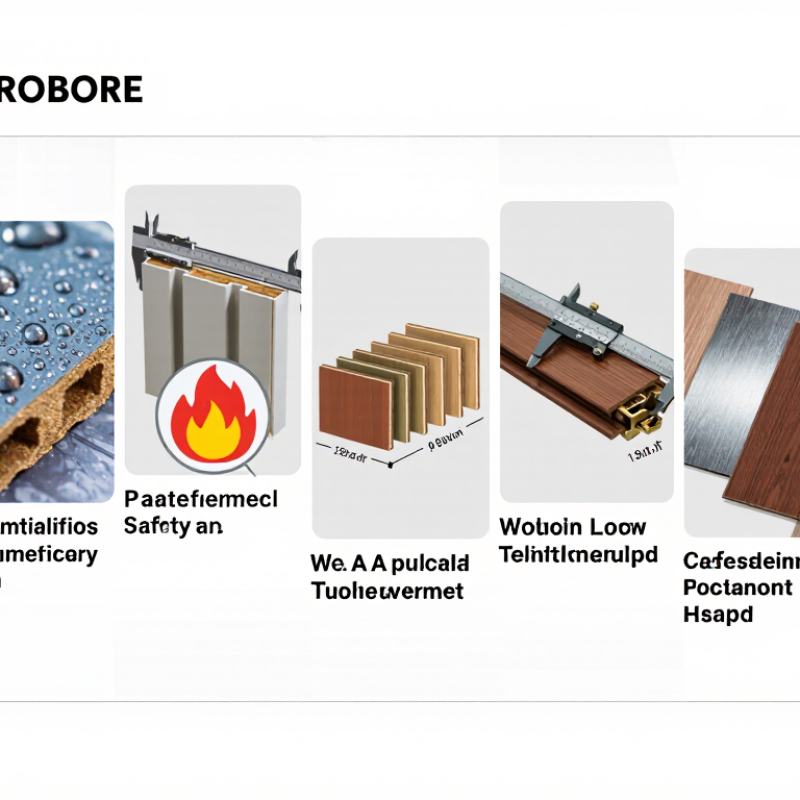
7 Tips for Choosing WPC Wall Panels?

What Are WPC Wall Panels and Where Are They Used?

WPC wall panels combine wood fibers, thermoplastic resin, pigments, and stabilizers. They create a warmer surface than ceramic tile, with fewer joints than painted drywall. According to Grand View Research’s 2023 report, the global wood-plastic composites market reached about USD 7.9 billion in 2022. The report also forecasts a 9.4% compound annual growth rate from 2023 to 2030. That growth reflects demand for durable, low-maintenance materials.

Where are they used? Interior feature walls, living rooms, offices, hotels, retail spaces, and covered balconies are common applications. Some panels also suit kitchens and bathrooms, but moisture resistance depends on the core, edge sealing, and installation method. Check technical data before specifying them. Do not assume every WPC panel is waterproof. That mistake happens.

Choose panels with verified fire-performance data, stable dimensions, and clear recycled-content information. Select a texture that hides minor scratches, especially in busy corridors. Measure wall flatness before ordering; uneven surfaces can exaggerate gaps. Leave expansion clearance around corners and ceilings. Use compatible adhesives or mechanical fasteners. The U.S. Green Building Council’s material guidance also supports checking emissions documentation, not merely recycled content. Color samples should be viewed under the project’s actual lighting. Online images can mislead. I would also inspect one installed section before approving a large order, because sound transmission and surface feel are easy to underestimate.

7 Tips for Choosing WPC Wall Panels? — What Are WPC Wall Panels and Where Are They Used?

WPC wall panels are composite boards made from wood fibers or flour, thermoplastic resin, and additives. They are commonly used for interior feature walls, living rooms, bedrooms, offices, retail spaces, hospitality areas, and covered outdoor applications.

Chart guide: The values show representative panel thicknesses commonly specified for different applications. Thicker panels generally provide greater rigidity and are often preferred for moisture-prone, high-traffic, or acoustic installations. Always verify the product specification, fire rating, moisture resistance, fixing method, and indoor-air-quality requirements before purchase.

7 Tips for Choosing WPC Wall Panels

  • Choose the thickness according to the wall condition, impact level, and required rigidity.
  • Confirm whether the panel is intended for dry interiors, humid rooms, or covered outdoor areas.
  • Check the panel’s fire-performance classification for commercial and public buildings.
  • Compare surface texture, color stability, scratch resistance, and cleaning requirements.
  • Measure the wall accurately and allow for joints, trims, expansion gaps, and cutting waste.
  • Review installation instructions, including adhesive, clips, battens, ventilation, and substrate preparation.
  • Request technical data for formaldehyde emissions, recycled content, warranty terms, and maintenance.

How to Compare Panel Materials, Quality, and Structural Performance

When choosing WPC wall panels, compare more than color and surface texture. The core material matters. Wood-plastic composites with consistent density usually resist dents better than lightweight, uneven boards. Ask for the wood-to-polymer ratio, panel thickness, and water absorption data. These details reveal more than a polished showroom sample.

Check quality through physical evidence. Hold a cut piece and inspect its core for gaps, bubbles, or loose fibers. Press the surface lightly. It should feel firm, not hollow or brittle. Measure several panels for thickness and length consistency. Small differences can create visible joints during installation. I have seen attractive samples fail because the delivered batch warped after storage. That mistake is easy to overlook.

Structural performance depends on the wall behind the panel. Most WPC panels are decorative cladding, not load-bearing elements. Confirm the required spacing, fixing method, and maximum unsupported span. In humid areas, allow movement for thermal expansion and moisture changes. Review independent test reports for impact resistance, fire behavior, water resistance, and UV stability. Standards-based testing offers stronger evidence than sales language. It matters.

Also examine the installation environment. A sunny wall may reach much higher temperatures than a shaded interior wall. Dark panels often expand more. Leave suitable expansion gaps, but do not guess their size. Follow measured manufacturer data and local construction requirements. A good comparison may feel slower, yet it prevents costly repairs and disappointing performance.

How to Choose the Right Design, Color, Texture, and Panel Size

7 Tips for Choosing WPC Wall Panels?

Choosing WPC wall panels starts with the room, not the catalogue. Grand View Research reported that the global wood-plastic composites market reached about USD 7.1 billion in 2022, with growth projected through 2030. This expansion brings more choices, but also more inconsistent specifications. Match the design to the room’s purpose. Vertical lines can make a low ceiling appear higher. Wider panels usually create a calmer visual rhythm. Narrow panels suit detailed feature walls.

Check color under daylight and warm artificial light. A grey panel may look blue beside a window. Dark colors add depth, but they can show dust and scratches more easily. Request a physical sample. Screen images are unreliable.

Texture matters as much as color. Brushed wood grain feels natural, while deep embossing may collect dust in busy areas. Rub the sample gently and inspect its surface. A beautiful texture can become inconvenient.

Panel size affects waste, installation time, and joint visibility. Measure the wall carefully, including doors, outlets, and corners. Then compare standard lengths with the installation pattern. According to a 2023 Grand View Research assessment, construction applications remain a major driver of WPC demand, making consistent dimensions increasingly important. Ask for dimensional tolerance, moisture resistance, and test documentation. Fire performance also deserves attention; request evidence based on the relevant local standard. I once underestimated joint alignment on a feature wall. The result looked acceptable, but not excellent. Leave room for that lesson.

How to Evaluate Installation Methods, Maintenance, and Durability

Choosing WPC wall panels requires more than comparing colors and surface textures. Installation determines long-term stability. Check whether the system uses concealed clips, direct screws, or adhesive fixing. Clips allow movement, while screws can create visible stress points. Measure the wall moisture first, especially in bathrooms or basements. A level, dry substrate is essential. Leave expansion gaps at corners and panel joints. Small gaps matter.

A practical review should examine maintenance instructions before purchase. Ask for cleaning limits, replacement procedures, and approved detergents. Routine dust removal and mild soapy water are usually safer than aggressive chemicals. High-pressure washing may damage the surface or force water behind panels. I would not trust a glossy sample alone. Real performance depends on ventilation, sunlight, humidity, and installer skill.

Durability claims should include test conditions, not vague words like “weatherproof.” ASTM D7031 provides guidance for evaluating wood-plastic composite properties, while ISO 4892-2 addresses laboratory light exposure. Request results for water absorption, impact resistance, screw retention, and color change. Grand View Research’s 2024 market analysis projects strong growth for WPC products, exceeding 7% annually in its forecast period. Growing demand does not prove equal quality. The 2024 Global Status Report for Buildings and Construction also reports that buildings consume about 32% of global energy, reinforcing the value of durable materials that reduce replacement work. Still, maintenance records from completed projects may reveal more than a brochure.

How to Check Safety Standards, Costs, Suppliers, and Warranty Terms

Choosing WPC wall panels starts with safety, not surface color. Ask suppliers for reports covering fire performance, formaldehyde emissions, moisture resistance, and impact strength. Check the laboratory, report date, sample description, and standard numbers. A certificate image alone proves little. For indoor projects, confirm ventilation guidance and installation limits. I once saw a panel pass a basic test, yet its adhesive had no matching documentation. That gap mattered.

Compare the installed cost, not just the panel price. Request separate figures for panels, trims, adhesive, labor, delivery, and waste. Measure corners, window reveals, and uneven walls before accepting a quote. A low price can hide fragile locking edges or unusually high waste. Keep extra material for future repairs. Ten percent may be excessive for a small room, so recheck it against the actual layout.

Evaluate suppliers through physical samples, traceable business details, and clear technical support. Ask how batches are inspected and how color variation is controlled. A dependable supplier explains limitations without promising a perfect finish. Read warranty terms line by line. Check the coverage period, moisture exclusions, fading limits, installation conditions, and claim evidence. Photograph the wall before installation, and retain invoices, batch labels, and maintenance records. Some warranties exclude damage from poor ventilation, even when the panel itself is sound. That clause is easy to miss.

FAQS

What are WPC wall panels made from?

WPC panels combine wood fibers, thermoplastic resin, pigments, and stabilizers. They create a warmer surface than ceramic tile. Fewer joints are visible than with painted drywall.

Where are WPC wall panels commonly used?

They suit feature walls, living rooms, offices, hotels, shops, and covered balconies. Some work in kitchens and bathrooms. Moisture conditions matter.

Are all WPC wall panels waterproof?

No. Water resistance depends on the panel core, sealed edges, and installation method. Check technical data before buying. Do not assume waterproof performance.

How can buyers compare panel quality?

Ask about density, thickness, wood-to-polymer ratio, and water absorption. Inspect a cut piece for gaps, bubbles, or loose fibers. Press the surface lightly. It should feel firm.

What installation conditions are important?

The wall should be level, dry, and reasonably flat. Measure moisture in bathrooms and basements. Use suitable clips, screws, or adhesive. Leave expansion gaps around corners and joints.

Can WPC panels carry structural loads?

Most WPC panels are decorative cladding, not load-bearing materials. Confirm fixing distances and unsupported spans. The wall behind them provides the main structural support.

How should WPC wall panels be maintained?

Remove dust regularly with a soft cloth. Use mild soapy water when needed. Avoid aggressive chemicals and high-pressure washing. Water may enter behind damaged joints.

How durable are WPC wall panels?

Durability depends on sunlight, humidity, ventilation, impact, and installation quality. Request test results for water absorption, color change, impact resistance, and screw retention. “Weatherproof” alone proves little.

What should be checked before ordering many panels?

View color samples under the actual project lighting. Measure wall flatness and inspect several panels for consistent thickness. I would install one small section first. Surface feel and sound transmission can surprise you.

Conclusion

Choosing Wall Panels Wpc requires more than selecting an attractive surface. First, understand that these panels combine wood fibers and polymer materials, making them suitable for interior feature walls, ceilings, commercial spaces, and selected exterior applications. Compare material composition, density, thickness, moisture resistance, dimensional stability, and structural performance to determine whether the panels can meet your project’s needs. Also consider how the design, color, texture, and panel size will coordinate with the room’s style and installation area.

Before buying, review the installation method, required tools, joint system, and compatibility with the existing wall. Evaluate durability, scratch resistance, cleaning requirements, and long-term maintenance. Safety should also be confirmed through relevant fire, emissions, and quality standards. Finally, calculate the full cost, including accessories and labor, and assess the supplier’s production consistency, delivery capacity, warranty coverage, and after-sales support. A careful comparison of these factors will help you choose attractive, reliable, and practical panels for your project.


Ethan

Ethan

Ethan is a seasoned marketing professional with a deep expertise in our company's innovative product line. With a passion for sharing knowledge and insights, he takes the lead in regularly updating our corporate blog, where he explores industry trends, product features, and effective marketing......