What are the Benefits of Wpc Fluted Panels for Your Projects?

Time:2026-06-07 Author:Ethan
0%

Wpc Fluted Panels have gained significant attention in recent years for various construction and design projects. According to industry reports, the global WPC (Wood-Plastic Composite) market size is projected to reach USD 9.9 billion by 2027, growing at a CAGR of 12.3% from 2020. This growth is driven by the need for sustainable materials in architecture.

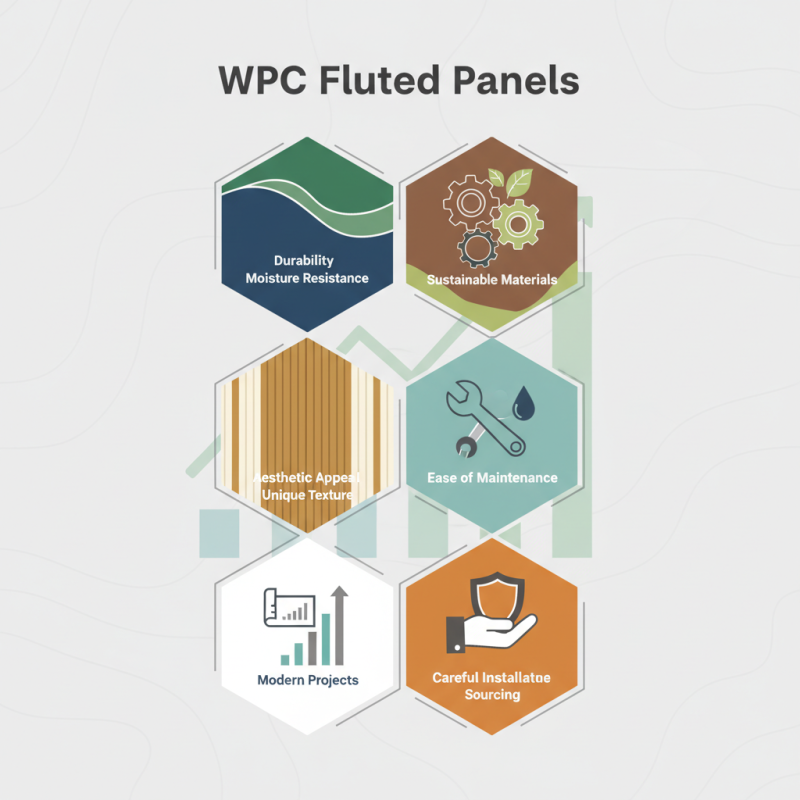
These panels are not only aesthetic but also practical. They offer superior durability, moisture resistance, and ease of maintenance. The fluted design adds a unique texture that enhances visual appeal. Yet, it is essential to recognize that while Wpc Fluted Panels promise many benefits, they also require careful installation practices to avoid potential issues such as warping or fading.

Furthermore, the environmental aspect cannot be overlooked. Utilizing recycled materials, Wpc Fluted Panels reduce landfill waste and promote sustainability. However, ensuring the source of these materials remains reputable is crucial. Overall, these panels represent a fusion of beauty and functionality, making them a compelling choice for modern projects.
What are the Benefits of Wpc Fluted Panels for Your Projects?

Benefits of WPC Fluted Panels in Construction and Design

WPC fluted panels are transforming construction and design with their unique advantages. These panels are made from wood-plastic composites, which blend the best qualities of both materials. They are lightweight yet strong, making them easy to handle during installation. This durability leads to cost savings, as they require less maintenance over time.

The aesthetic appeal of WPC fluted panels adds a modern touch to any project. Their ribbed texture creates visual interest, enhancing the overall design. Homeowners and designers appreciate that these panels can imitate natural wood. However, some users might find it challenging to achieve the exact look of solid wood.

Sustainability is another critical benefit. WPC panels are often made from recycled materials, contributing to eco-friendly building practices. This factor is increasingly important in today's construction landscape. However, it is essential to verify the sourcing of these materials, as not all products are equally sustainable. The benefits are clear, yet it’s necessary to weigh them against specific project needs and expectations.

Durability and Longevity of WPC Fluted Panels

WPC fluted panels are gaining traction in various projects due to their durability and longevity. Made from wood-plastic composites, these panels resist moisture, making them ideal for both indoor and outdoor applications. Unlike traditional wood, WPC does not warp or crack. This stability prolongs its lifespan, offering reliability over time.

One tip when selecting these panels is to consider their finish. Smooth surfaces may be more visually appealing, but textured options can hide scratches and maintain a fresh look longer. Ensure you check the weight capacity too. Some installations may need extra support.

Despite their advantages, there are potential downsides. WPC panels can be vulnerable to extreme temperatures, which might cause expansion or contraction. It's crucial to leave adequate space for movement during installation. Regular maintenance can also help prevent discoloration from UV exposure. Balancing aesthetics and functionality provides the best results for your projects.

Aesthetic Appeal and Versatility of WPC Fluted Panels

WPC fluted panels are increasingly popular for their aesthetic appeal and versatility. These panels blend wood and plastic, offering a unique look. The fluted design adds texture and depth, elevating any interior or exterior space. Research indicates that 73% of architects prefer using materials that enhance visual impact. WPC panels fit this criterion perfectly, allowing for creative applications that cater to various design needs.

The versatility of WPC fluted panels is impressive. They can be used in wall coverings, ceilings, and even furniture. This adaptability makes them ideal for residential and commercial projects. According to industry reports, the demand for sustainable building materials has grown by 32% over the past five years. WPC fluted panels fulfill this requirement while enhancing the environment’s aesthetic. Their availability in various colors and finishes allows for customized designs that resonate with personal styles.

However, it's essential to consider some design limitations. While WPC panels are durable, they may not withstand extreme weather conditions in all applications. Maintenance is also a factor. Regular cleaning and occasional refinishing are necessary to keep them looking pristine. It is crucial to weigh these aspects before fully committing to their use in a project.

Benefits of WPC Fluted Panels for Your Projects

Feature Description
Aesthetic Appeal WPC fluted panels enhance the visual attractiveness of spaces with their modern design and texture.
Durability These panels are resistant to weather, moisture, and pests, ensuring longevity in various environments.
Versatility Suitable for both indoor and outdoor applications, offering flexibility in design choices.
Eco-Friendly Made from recycled materials, contributing to sustainability in construction.
Low Maintenance Requires minimal upkeep compared to traditional materials, saving time and costs.

Environmental Sustainability of WPC Fluted Panels

WPC fluted panels are gaining attention for their environmental sustainability. Made from wood-plastic composite materials, these panels utilize recycled wood fibers and plastic. This reduces landfill waste and conserves natural resources. According to the U.S. Forest Service, using recycled materials can cut carbon emissions by 30% or more compared to using virgin resources.

Moreover, WPC panels often require less energy to produce than traditional building materials. A report by the American Chemistry Council states that the production of composites like WPC typically emits fewer greenhouse gases. They offer a sustainable choice for construction, aligning with LEED certification standards. This can be crucial for projects aiming for environmental recognition.

However, it’s essential to analyze the entire lifecycle of these materials. While they are eco-friendly to produce, care must be taken with disposal. WPC fluted panels may not biodegrade, potentially complicating waste management. This raises questions about recycling processes and future sustainability efforts. Balancing these factors ensures informed decisions are made for environmentally conscious projects.

Cost-Effectiveness and Maintenance of WPC Fluted Panels

WPC fluted panels offer significant cost-effectiveness for construction and renovation projects. According to recent industry reports, these panels can reduce material costs by up to 30% compared to traditional wood options. This is largely due to lower raw material expenses and easier installation processes. The lightweight nature of WPC panels enhances portability, reducing labor costs as well.

Maintenance is another critical factor. WPC fluted panels are designed to withstand harsh weather conditions without rotting or warping. Studies show that they require up to 60% less maintenance than wood. They do not need annual sealing or painting, saving both time and money for property owners. However, it's essential to monitor their surface for fading, as UV exposure may affect appearance over time. Regular cleaning can prolong their lifespan and maintain aesthetic appeal.

While WPC fluted panels boast many advantages, users must recognize limitations. Some reports indicate susceptibility to scratches and dents. Awareness of these imperfections can guide appropriate application. Homeowners and builders should weigh the initial savings against potential long-term repairs. Proper planning can mitigate these downsides and ensure successful utilization of WPC materials.

Benefits of WPC Fluted Panels for Your Projects

FAQS

: What are WPC fluted panels made of?

: They are made from wood-plastic composites, combining the benefits of both wood and plastic.

What are the advantages of using WPC fluted panels?

They are lightweight, strong, and require less maintenance, leading to cost savings over time.

How do WPC fluted panels enhance design?

Their ribbed texture adds visual interest and can imitate natural wood, elevating aesthetic appeal.

Can WPC panels be used in different applications?

Yes, they are versatile and suitable for wall coverings, ceilings, and even furniture in various projects.

What should be considered regarding the durability of WPC panels?

While durable, they may not withstand extreme weather conditions in all applications, requiring careful planning.

Are WPC panels environmentally sustainable?

Yes, they reduce landfill waste and conserve resources but require careful disposal considerations post-use.

What kind of upkeep is needed for WPC panels?

Regular cleaning and occasional refinishing are necessary to keep the panels looking their best.

Can WPC panels contribute to LEED certification?

Yes, they align with sustainable building practices and can support projects aiming for environmental recognition.

Is it important to verify the sourcing of WPC panels?

Yes, not all products are equally sustainable, and sourcing plays a significant role in their environmental impact.

What challenges might users face when using WPC panels?

Some may struggle to achieve the exact look of solid wood, and design limitations should be evaluated.

Conclusion

WPC fluted panels offer numerous advantages for both construction and design projects. Known for their durability and longevity, these panels are resistant to various environmental factors, making them a reliable choice for different applications. Their aesthetic appeal, coupled with versatility, allows for innovative design solutions in both residential and commercial spaces. Furthermore, WPC fluted panels contribute to environmental sustainability, being made from recycled materials that reduce waste and carbon footprint.

In addition to their aesthetic and ecological benefits, WPC fluted panels are also cost-effective. They require minimal maintenance, translating to lower long-term costs for property owners. Overall, the combination of durability, versatility, sustainability, and cost-effectiveness makes WPC fluted panels an excellent choice for any project.


Ethan

Ethan

Ethan is a seasoned marketing professional with a deep expertise in our company's innovative product line. With a passion for sharing knowledge and insights, he takes the lead in regularly updating our corporate blog, where he explores industry trends, product features, and effective marketing......