In the world of modern interiors, Wall Panels WPC stand out for their versatility and durability. These innovative panels combine the benefits of wood and plastic, offering a practical solution for various applications. Global buyers are increasingly drawn to WPC due to its unique properties, which can enhance both aesthetics and function.
WPC wall panels are moisture-resistant, making them ideal for areas prone to humidity, such as bathrooms or kitchens. They come in various designs that can suit any style, reflecting personal tastes while maintaining high functionality. Additionally, their ease of installation saves time and labor, a significant advantage for contractors and DIY enthusiasts alike.
However, potential users should consider their specific needs before purchasing. The range of options can be overwhelming, and not every panel is suitable for every situation. Investing time in research is crucial to ensure the right choice is made. This careful selection process can maximize the benefits of Wall Panels WPC, leading to long-term satisfaction and value.
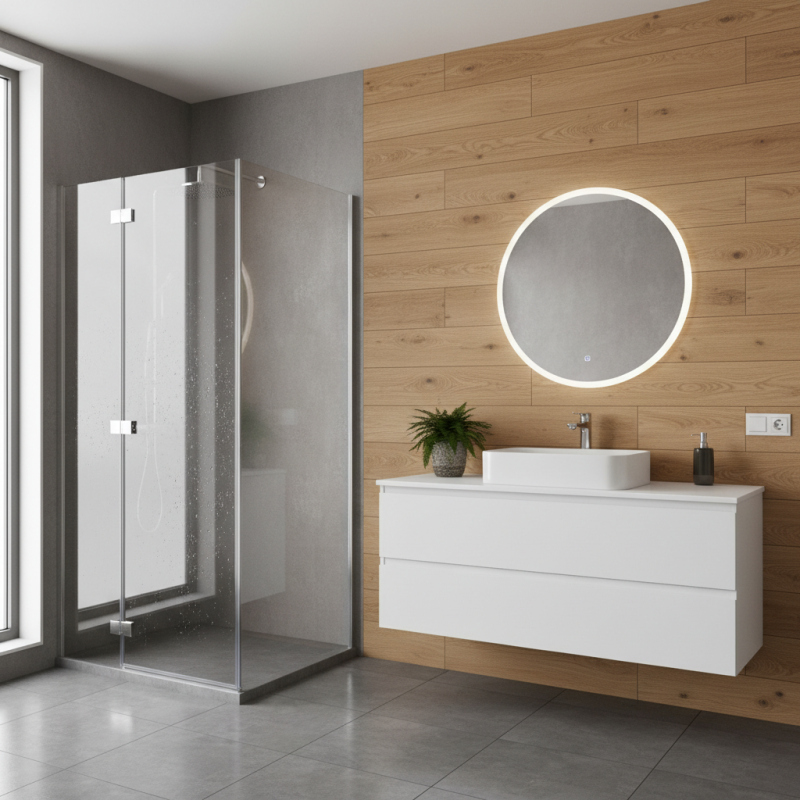
Understanding WPC Wall Panels: An Overview
WPC wall panels, made from a mix of wood fibers and plastic, offer a versatile solution for interior and exterior spaces. They provide an eco-friendly alternative to traditional materials, contributing to sustainability. These panels are lightweight yet durable, making them easier to install. Many buyers appreciate their resistance to moisture and insects, which ensures a longer lifespan.
When choosing WPC panels, consider the aesthetic you desire. They come in various colors and textures, mimicking natural wood. This versatility allows for creative freedom in design. However, it's important to ensure the panel quality. Inferior products can lead to discoloration or warping over time.
Here’s a tip: always check the specifications for water resistance and warranty. Installation can vary, so follow guidelines carefully. Some products may require specific fasteners or tools. Be mindful of your local climate, as extreme temperature variations can affect the panels. Proper care and maintenance can enhance the longevity of your WPC wall panels.
Durability and Longevity: Why WPC Panels Last Longer
WPC (Wood Plastic Composite) wall panels have gained popularity due to their durability and longevity. Industry reports show that WPC panels can last over 25 years with proper maintenance, while traditional materials often require replacement within a decade. This remarkable lifespan makes WPC an appealing option for global buyers.
A significant factor contributing to the longevity of WPC panels is their resistance to moisture and pests. Unlike wood, which can rot or attract termites, WPC panels maintain their structural integrity even in humid conditions. According to research, these panels have a higher resistance to warping compared to conventional materials, reducing long-term maintenance costs.
Tips: Regular cleaning is vital. Use a mild detergent to wipe down the panels every few months. This simple action can help preserve their appearance and extend their life further.
While WPC panels can be more expensive upfront, the long-term savings are significant. Buyers should consider how quickly the cost can be recouped through reduced maintenance and replacement needs. It’s essential, however, to choose quality materials, as not all WPC panels are created equal. Some may still warp or fade over time, which can lead to dissatisfaction.
Implementing proper installation techniques is crucial. Even high-quality panels can fail if improperly installed. Consulting with professionals can provide insights and ensure the longevity of your investment.
Top 5 Benefits of WPC Wall Panels for Global Buyers
| Benefit |
Description |
Durability Rating (1-10) |
Expected Longevity (Years) |
| Water Resistance |
WPC panels are resistant to moisture, making them ideal for humid environments. |
9 |
25 |
| Low Maintenance |
Requires minimal maintenance compared to traditional materials. |
8 |
15 |
| Insect Resistance |
Resistant to termites and other insects, prolonging lifespan. |
9 |
30 |
| UV Resistance |
Maintains color and integrity under exposure to sunlight. |
7 |
20 |
| Sustainability |
Made from recycled materials, reducing environmental impact. |
8 |
20 |
Eco-Friendly Attributes of WPC Wall Panels
WPC wall panels, made from wood-plastic composites, are increasingly recognized for their eco-friendly attributes. These panels offer a sustainable alternative to traditional wood. They utilize recycled materials, reducing the demand for new lumber. This helps preserve forests and reduces waste.
One notable benefit is their durability. WPC panels resist moisture, preventing warping and decay. This longevity means fewer replacements over time, resulting in less environmental impact. Moreover, they require minimal maintenance compared to conventional materials. This translates to lower resource use over their lifespan.
Tip: When choosing WPC panels, look for certified products. Certifications ensure they meet environmental standards. It builds trust in the materials used. Also, consider the source of the recycled materials. This practice bolsters eco-friendliness.
Despite these advantages, some might question the production process. It's essential to evaluate how WPC panels are made. Look for companies that prioritize sustainability throughout the manufacturing cycle. Researching these details can help buyers make informed choices. Balancing eco-friendliness and quality is crucial in achieving true sustainability.
Cost-Effectiveness of WPC Wall Panels for Buyers
WPC wall panels are increasingly recognized for their cost-effectiveness. Recent studies indicate that WPC
(Wood-Plastic Composite) materials can reduce building costs by up to 30% compared to traditional wood or metal panels. This significant saving appeals to
global buyers, particularly in construction and interior design sectors.
Additionally, the maintenance costs of WPC wall panels are notably lower. Unlike wood, WPC does not require frequent painting or sealing, which can lead to further savings over time.
For example, a report by the International Journal of Advanced Manufacturing Technologies noted that maintenance expenses for WPC
structures are up to 50% lower than those for conventional materials.
Yet, it's important to reflect on the initial investment. Some buyers might find WPC panels pricier upfront than standard materials. Balancing the initial cost against long-term savings requires careful consideration. However,
the overall durability of WPC panels can compensate for this initial expense. These panels are resistant to fading, termites, and warping, ultimately leading to a sound financial choice for buyers in the long run.
Aesthetic Versatility: Design Options with WPC Panels
WPC wall panels offer remarkable design flexibility that appeals to a wide range of global buyers. These panels mimic the look of natural wood, giving spaces a warm, inviting aesthetic. They come in various colors and textures, allowing for unique visual combinations. Designers can incorporate them into residential homes, commercial spaces, or outdoor settings. The versatility in design makes WPC panels suitable for both modern and traditional themes.
One intriguing aspect is the customization potential. Buyers can choose specific finishes that align with their aesthetics. Some might prefer a rustic feel while others opt for a sleek, contemporary look. However, navigating the options can be overwhelming. Not all design choices may harmonize with the intended environment. Careful consideration of style and functionality is necessary.
Additionally, the longevity and durability of WPC panels contribute to their appeal. They withstand weather fluctuations without losing their charm. This durability factor can help buyers to reflect on long-term investments in their design choices. Selecting WPC panels can elevate spaces significantly, yet it involves thoughtful planning to maximize their benefits.
FAQS
: WPC wall panels are made from a mix of wood fibers and plastic.
They are lightweight, durable, eco-friendly, and resistant to moisture and insects.
They use recycled materials, which helps reduce the demand for new lumber and preserves forests.
Look at aesthetics, quality, water resistance, and warranty specifications.
Inferior WPC products can warp or discolor over time, so choose high-quality options.
Follow installation guidelines carefully and check for specific fasteners or tools.
No, WPC panels require minimal maintenance compared to traditional materials.
Not all; it's essential to check for certifications and the source of materials.
Extreme temperature variations can impact the performance of WPC panels over time.
Research companies to ensure they prioritize sustainability in their production processes.
Conclusion
WPC wall panels have emerged as an innovative solution for buyers seeking durable and eco-friendly wall coverings. These panels are known for their exceptional longevity, making them a cost-effective choice for a variety of applications. Thanks to their composite materials, WPC wall panels are resistant to moisture, termites, and warping, ensuring they maintain their appearance and functionality over time.
Moreover, WPC wall panels offer a wide range of aesthetic options, allowing buyers to choose designs that complement their decor preferences. With environmentally friendly attributes, these panels are also a sustainable choice for eco-conscious consumers. Ultimately, the combination of durability, cost-effectiveness, and versatility makes wall panels WPC an attractive option for global buyers looking to enhance their spaces.

 Xiangying