The building industry is increasingly focused on sustainability. As climate change impacts intensify, the adoption of eco-friendly materials is essential. WPC panels, made from wood fibers and recycled plastics, have emerged as a leading choice within this movement. According to a 2022 report by Grand View Research, the global WPC market is projected to reach $9.6 billion by 2028. This indicates a growing preference for materials that are both sustainable and durable.
WPC panels offer a range of benefits, including resistance to moisture and pests. These properties make them ideal for building applications, especially in exterior projects. However, it’s important to evaluate their performance over time. Some users report issues with fading and surface scratching. A potential downside is the initial investment cost. While WPC panels may be slightly more expensive, their longevity can offset the upfront expense.
Moreover, the versatility of WPC panels allows for innovative applications. They can be used in decks, fences, and even indoor spaces. However, the market can be confusing, with varying quality levels. It is crucial for builders and homeowners to research and choose reputable brands to ensure the material's reliability. As the construction sector navigates the transition toward sustainable solutions, understanding the role of WPC panels is pivotal.
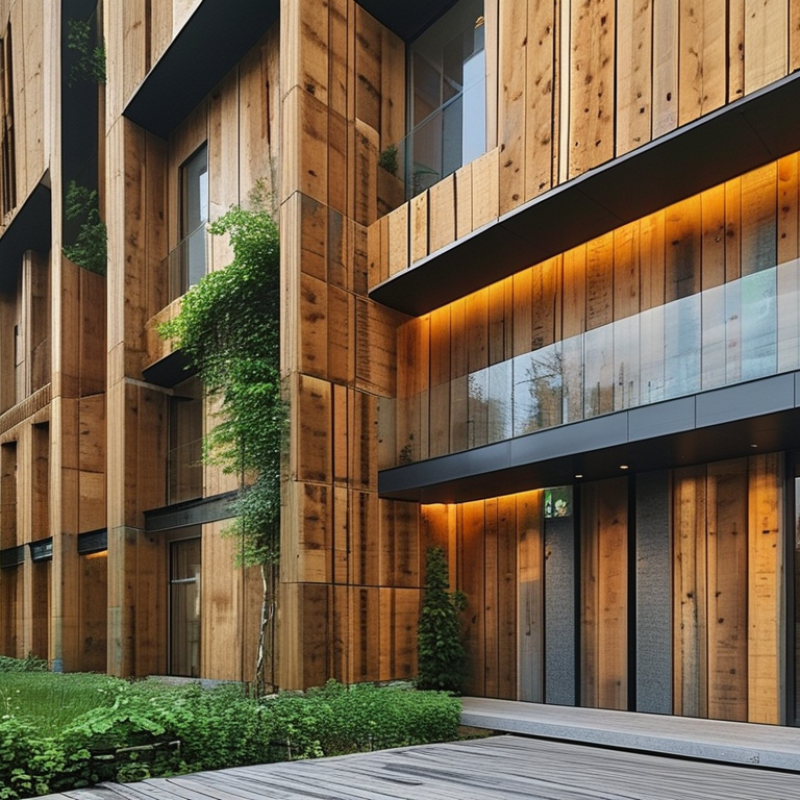
Introduction to WPC Panels and Their Benefits in Sustainable Building
WPC panels, or Wood Plastic Composites, are gaining attention in sustainable building. These panels combine wood fibers and plastic to create durable materials. They offer a practical solution for eco-conscious builders. WPC panels are resistant to moisture and pests, making them ideal for various climates. They require less maintenance compared to traditional materials.
Furthermore, WPC panels utilize recycled plastics, which reduces waste. This eco-friendly aspect is appealing as society shifts toward sustainability. However, it’s worth noting that the production of WPC panels can still have environmental impacts. The source of the plastics and wood fibers matters greatly. Choosing locally sourced materials can mitigate some of these concerns. Not all WPC panels meet the same sustainability standards, so careful selection is essential.
While WPC panels show promise, not everything is perfect. Long-term durability may vary, requiring regular assessments. Builders should reflect on their choices and seek reliable suppliers. The journey toward sustainable building is complex, but WPC panels represent a step forward in reducing the carbon footprint. Their benefits, while significant, need continuous evaluation to ensure they truly align with eco-friendly goals.
Key Features of WPC Panels for Eco-Friendly Construction
WPC panels, made from wood fibers and plastic, are gaining attention in eco-friendly construction. Their durability and resistance to moisture make them ideal for various applications. According to the Forest Stewardship Council, products derived from sustainable sources help reduce deforestation. WPC panels utilize recycled materials, promoting a circular economy while minimizing waste.
A significant advantage of WPC panels is their low maintenance requirements. They do not require regular staining or sealing, thus saving resources over time. This contributes to a lower carbon footprint in long-term use. However, some critics argue that the plastic content can detract from the environmental benefits. The balance between sustainability and performance needs careful evaluation.
In terms of thermal performance, WPC panels help stabilize indoor temperatures. Studies show that materials with high thermal resistance can reduce energy consumption by up to 20%. As the building industry moves toward more sustainable options, WPC panels present a viable choice. Still, ongoing research into their long-term environmental impact is vital for informed decision-making.
Comparative Analysis of Various WPC Panel Types
WPC panels, made from wood and plastic composites, are gaining traction in sustainable construction. A comparative analysis of various types shows their potential. Research indicates that using WPC panels can reduce carbon emissions by up to 30% compared to traditional materials. This significant reduction can help meet environmental goals in building practices.
Different WPC panel types vary in durability and applications. Some panels are more resistant to moisture, making them ideal for exterior use. Others offer enhanced strength, suitable for structural elements. However, the initial cost can be higher than conventional options, which may deter some builders. The lifespan of WPC can reach 25 years, often exceeding that of traditional wood, but the production process requires careful scrutiny to ensure eco-friendliness.
The market is evolving, and so is consumer awareness. Buyers are increasingly seeking sustainable choices, prompting suppliers to improve WPC technology continuously. Despite the advantages of WPC, quality inconsistencies exist. Not all products offer the same performance, highlighting the need for due diligence. The journey towards sustainable building solutions is underway, but challenges remain in selecting the best materials.
Environmental Impact of WPC Panels Compared to Traditional Materials
The environmental impact of Wood Plastic Composites (WPC) panels is noteworthy compared to traditional materials. WPC panels, made from recycled wood fibers and plastics, offer a sustainable alternative. According to a study by the American Institute of Architects, using WPC can reduce carbon emissions by up to 30% compared to conventional wood or concrete. This significant reduction highlights the potential for these materials in eco-friendly building designs.
However, the production of WPC panels is not without concerns. The process involves energy consumption and the mixing of plastics that can hinder recyclability. The life cycle assessment suggests that while WPC has advantages, more transparency is needed regarding its long-term ecological footprint. A critical review published in the Journal of Cleaner Production indicates that WPCs, though beneficial, still require improvements in sourcing and processing to maximize their environmental benefits.
Ultimately, the choice between WPC and traditional materials depends on specific project goals and sustainability criteria. While WPC panels present an effective solution for reducing waste and emissions, their performance in durability and recyclability warrants further investigation. Balancing innovation with responsible sourcing remains a crucial factor for decision-makers in sustainable building practices.
Best Practices for Selecting and Utilizing WPC Panels in Projects
When selecting WPC panels for sustainable building, consider their environmental impact. These panels are made from recycled wood and plastic. They can significantly reduce waste in landfills. It’s important to choose manufacturers who prioritize sustainability in their production processes. Look for certifications that indicate eco-friendly practices.
Utilizing WPC panels effectively involves understanding their properties. They are resistant to moisture and pests, making them ideal for outdoor applications. However, they can warp if exposed to extreme temperatures. Always conduct a test installation in a less visible area first. This will help you gauge how they perform under your local weather conditions.
Many builders overlook the importance of proper maintenance. Regular cleaning and inspection will ensure longevity. Pay attention to any signs of wear. Reflect on how these materials contribute to your project’s overall sustainability. Engaging with professionals who have experience in eco-friendly materials can provide valuable insights. Their knowledge can guide you toward making informed decisions in your building projects.
Best WPC Panel Options for Sustainable Building Solutions
| Panel Type |
Material Composition |
Environmental Impact |
Durability Rating |
Applications |
| Composite WPC |
Recycled wood fibers and plastic |
Low VOC emissions, recyclable |
10+ years |
Decking, Fencing |
| Foam WPC |
Polyethylene foam and wood flour |
Environmentally friendly, lightweight |
5-7 years |
Interior Walls, Furniture |
| Solid WPC |
High-density composite material |
Sustainable sourcing, resistant to rot |
15+ years |
Exteriors, Commercial Facades |
| Perforated WPC |
Wood-plastic blend with uniform perforations |
Energy-efficient, reduces heat |
8-12 years |
Ceilings, Acoustic Panels |
FAQS
: WPC panels are made from recycled wood fibers and plastics.
WPC panels can reduce carbon emissions by up to 30% compared to conventional wood or concrete.
Yes, the production process involves energy use and can affect recyclability.
Consider their environmental impact and look for manufacturers with eco-friendly practices.
They are moisture and pest-resistant, ideal for outdoor applications.
Yes, they can warp when exposed to extreme temperatures.
Regular cleaning and inspection are essential for longevity.
Testing helps gauge their performance under local weather conditions.
Engaging experienced professionals can provide valuable insights for informed decisions.
Balancing innovation with responsible sourcing is crucial for sustainability.
Conclusion
WPC panels, or wood-plastic composites, represent a sustainable building solution that merges the durability of plastics with the aesthetic appeal of wood. Their benefits in eco-friendly construction include resistance to rot, reduced maintenance, and long lifespan, making them an appealing choice for modern building projects. This article explores the key features of WPC panels, such as their lightweight nature, versatility, and thermal insulation properties, and conducts a comparative analysis of various WPC panel types to help builders and architects make informed decisions.
Additionally, the environmental impact of WPC panels is examined in relation to traditional materials, highlighting their reduced carbon footprint and sustainable sourcing. Best practices for selecting and utilizing WPC panels in building projects are also discussed, ensuring that stakeholders are well-equipped to implement these innovative materials effectively. Overall, WPC panels offer a promising alternative for sustainable construction, combining performance with environmental responsibility.

 Xiangying