Choosing the right WPC wooden panel for your project is crucial. Many factors influence this decision. WPC, or wood-plastic composite, combines wood fibers and plastic materials. This mix offers durability and aesthetic appeal.
When selecting WPC wooden panels, consider their intended use. Are you building a deck, a fence, or siding? Each application may require different characteristics. For instance, outdoor panels need weather resistance. Indoor panels focus more on aesthetics.
Quality is another significant factor. Not all WPC wooden panels are created equal. Look for reputable manufacturers. Research their track record in producing reliable materials. Remember, sometimes a lower price means compromising on quality. This choice could impact your project's success. Take the time to reflect on your needs. Your decision will shape the final outcome.
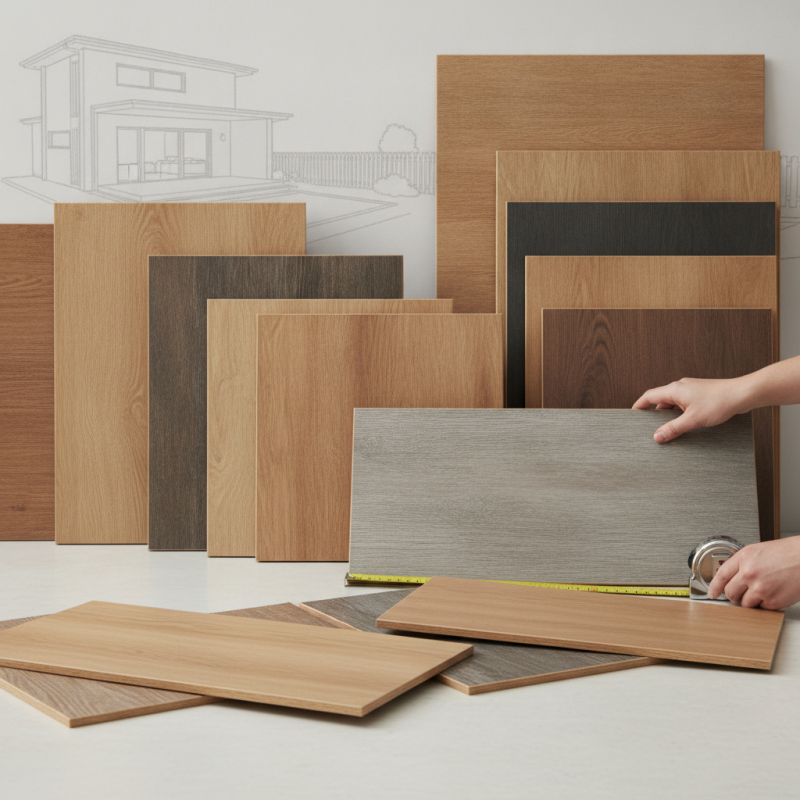
WPC wooden panels are gaining traction due to their composite nature. WPC stands for wood-plastic composite. These panels typically combine wood fibers and thermoplastics. This mixture enhances durability while maintaining a natural wood appearance.
There are many types of WPC panels available. Some are designed for specific applications, like decking or outdoor furniture. Each type has a unique blend of materials. In a recent industry report, it's noted that WPC panels can be up to 50% lighter than traditional wood. However, this lightness also raises concerns about structural integrity under heavy loads.
Understanding the composition of WPC is crucial. Generally, they consist of recycled wood and plastic. The wood content makes up about 60-70% of the panel, while plastic constitutes the remaining 30-40%. This combination provides resistance to moisture, insects, and decay. Still, variations in this ratio can lead to differences in performance. It's key to know the specifics of the WPC you choose to avoid potential disappointments.
When selecting WPC wooden panels, understanding their performance in different environments is crucial. Research shows that WPC (Wood Plastic Composite) panels can withstand harsh weather conditions. According to a study by the American Wood Council, these panels resist moisture and UV radiation effectively, making them suitable for outdoor use. However, it’s important to consider the specific environmental challenges your project may face.
For example, in humid areas, WPC panels demonstrate exceptional durability, but they may eventually show signs of fading. A report from the Composite Panel Association highlights that while WPC panels are resistant to mold and mildew, their appearance can degrade over time. Be aware of local climate factors when choosing panels for your projects.
**Tip:** Regular maintenance can prolong the life of your WPC panels. Simple cleaning with mild soap and water reduces the risk of staining.
Additionally, consider the composition of the panels. Higher wood fiber content often improves aesthetics but may reduce longevity in extreme conditions. It's a balance between beauty and function. If your project values appearance over durability, that’s a valid trade-off.
**Tip:** Always request performance data from suppliers to ensure you make informed decisions.
When selecting a WPC (Wood Plastic Composite) wooden panel, aesthetics play a crucial role. The color, texture, and finishing options can significantly impact the overall appearance of your project. According to industry reports, approximately 70% of consumers prioritize visual appeal when choosing materials. Thus, understanding various design choices is essential.
Color options for WPC panels range from vibrant hues to natural wood tones. Many manufacturers provide a color palette that closely mimics traditional wood species. This allows for a seamless integration with existing structures. Textures can vary from smooth finishes to wood-grain patterns. Research indicates that textures may influence people's perception of warmth and comfort. A tactile experience often enhances overall satisfaction.
Finishing options also warrant attention. Some WPC panels are pre-finished to resist fading and wear. Others may require additional treatments for optimal performance. However, achieving a perfect finish can sometimes be challenging. Variations might occur due to environmental factors or the application process. Regular maintenance might be needed to sustain the desired look over time. Balancing aesthetics and practicality is a thoughtful exercise in your project’s design.
When selecting WPC wooden panels, it's vital to consider environmental impact. WPC, or wood-plastic composite, combines wood fibers and recycled plastics. This blend can decrease waste but poses sustainability questions.
The production of WPC utilizes natural resources and energy. Extraction and processing contribute to emissions. However, if sourced responsibly, WPC can significantly reduce deforestation. Choosing panels with recycled materials can help offset this impact. Look for certifications that ensure sustainable practices in production.
Another aspect to ponder is the material's lifespan. WPC products are often durable and weather-resistant, which can minimize replacement needs. Yet, end-of-life options are critical. Can the panels be recycled or composted? It's essential to question the entire lifecycle of your materials. Balancing longevity with environmental responsibility is a continuous challenge.
When considering WPC panels for your project, a cost analysis is essential. A 2021 report by Freedonia Group states that WPC products can reduce material costs by 10-30% compared to traditional wood. This is significant, especially for large-scale projects where every dollar counts. While WPC panels may have a higher upfront cost, they save money in the long run with lower maintenance and longer lifespan.
WPC panels are also environmentally friendly. Traditional wood requires more resources and can lead to deforestation. Non-WPC alternatives often involve high processing costs, making them less economical. According to a recent study by TechNavio, the WPC market is projected to grow by $1.42 billion by 2026. This indicates a shift in consumer preference due to sustainability and cost-effectiveness.
However, it's not all perfect. WPC panels can appear less natural than wood. They may fade or scratch over time, raising questions about long-term durability. Homeowners must weigh these factors carefully. Choosing the right material depends on the balance of aesthetics, cost, and environmental impact. Making an informed choice can lead to a more successful project outcome.
: WPC stands for wood-plastic composite, combining wood fibers and thermoplastics.
WPC panels enhance durability and resist moisture, insects, and decay, while looking like natural wood.
WPC panels can be up to 50% lighter than traditional wood, which may affect structural integrity.
WPC typically consists of 60-70% recycled wood and 30-40% plastics, varying by type.
WPC can reduce waste but requires energy and resources. Responsible sourcing is essential for sustainability.
It's critical to question end-of-life options. Can the panels be recycled or composted after use?
WPC products can reduce material costs by 10-30%, despite potential higher initial expenses.
WPC panels may appear less natural than wood and can fade or scratch over time.
Consider aesthetics, cost, and environmental impact when deciding on WPC versus other materials.
Yes, the WPC market is expected to grow by $1.42 billion by 2026, reflecting changing consumer preferences.
When selecting the best WPC wooden panel for your project, it is essential to understand the different types and compositions available. WPC, or Wood Plastic Composite, offers various performance features that cater to diverse environments, from moisture resistance to durability. Evaluating aesthetics is also critical, as WPC panels come in a range of colors, textures, and finishing options that can enhance the visual appeal of any space.
Sustainability is another vital consideration, as WPC materials often have a lower environmental impact than traditional wood options. Finally, a cost analysis comparing WPC wooden panels to conventional wood and alternatives is crucial for making an informed decision. By considering these factors, you can effectively choose the right WPC wooden panel that meets the needs of your specific project.

Xiangying