When considering materials for modern construction, PVC WPC panels stand out due to their versatility and durability. Expert Mark Thompson, a renowned architect specializing in sustainable building materials, notes, "PVC WPC panels combine the best of both worlds—strength and aesthetics." This innovative option is increasingly favored in both residential and commercial projects.
These panels offer a unique blend of wood-like appearance and plastic durability. This combination ensures low maintenance and resistance to moisture, making them ideal for various applications. With numerous design options available, PVC WPC panels can enhance the visual appeal of any space while also providing functional benefits.
Despite their many strengths, it is essential to evaluate the suitability for specific projects. Some may question their long-term environmental impact or suitability in extreme conditions. Consider these factors carefully. Engaging with industry experts can lead to informed decisions. PVC WPC panels promise to revolutionize project outcomes when chosen strategically.
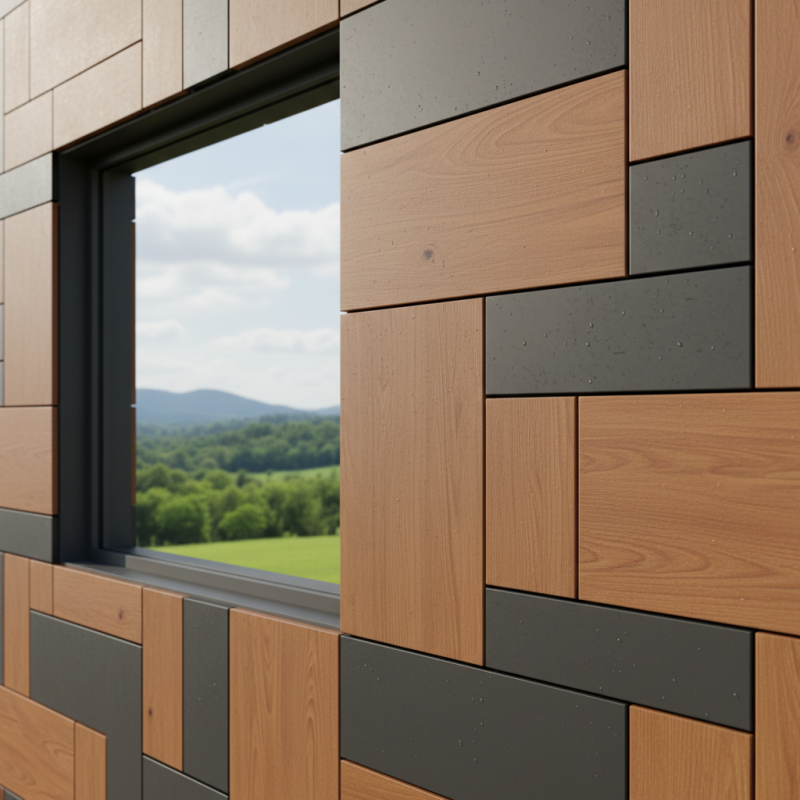
PVC WPC panels have become increasingly popular in construction projects due to their unique benefits. One major advantage is their resistance to moisture and pests. Unlike traditional wood, these panels do not warp or rot, making them ideal for environments prone to humidity. They maintain their aesthetic appeal and structural integrity over time.
Another benefit is the ease of installation. These panels are lightweight, which can reduce labor costs. The interlocking design allows for quicker assembly. However, some users might find them less flexible for custom projects. This lack of adaptability can lead to design limitations.
Additionally, PVC WPC panels are low maintenance. A simple wash with soap and water can keep them looking new. Many builders appreciate this feature, as it saves time and effort over the years. Yet, it’s important to acknowledge that not all panels have the same durability. Some may suffer from discoloration or fading. Selecting high-quality materials is essential for achieving the best results.
| Feature | Description | Benefits |
|---|---|---|
| Durability | Highly resistant to wear, moisture and pests. | Longer lifespan compared to traditional materials. |
| Aesthetic Appeal | Available in various colors and textures. | Enhances the visual quality of any project. |
| Low Maintenance | Does not require regular painting or sealing. | Saves time and costs on upkeep. |
| Eco-Friendly | Made from recycled materials and can be recycled again. | Reduces environmental impact. |
| Cost-Effective | Competitive pricing compared to wood and metal. | Affordable solution with high returns on investment. |
: PVC WPC panels resist moisture and pests. They don’t warp or rot, making them durable.
These panels are lightweight and have an interlocking design. This makes installation quicker and can reduce labor costs.
No, they are low maintenance. Washing with soap and water keeps them looking new, but some may fade.
Yes, they save on repairs and maintenance compared to traditional wood. They avoid warping and don’t need frequent painting.
Absolutely. They are suitable for decking, fencing, and wall coverings due to their durability and aesthetic appeal.
It's important to source materials responsibly. Balancing versatility with eco-friendliness is key in project planning.
Some users find them less flexible for custom designs. This might restrict certain project ideas.
Initial costs can be higher, but long-term savings on maintenance can make them worthwhile. Compare both perspectives.
No, some may suffer from discoloration or fading. Selecting high-quality materials is critical for the best results.
Compatibility with local regulations is important. Always evaluate project needs before selecting materials.
PVC WPC panels have emerged as a popular choice in construction projects due to their numerous benefits. These panels offer a significant advantage over traditional materials, including enhanced durability and resistance to moisture and pests. With their eco-friendly composition, PVC WPC panels also contribute to sustainable building practices, making them an appealing option for environmentally-conscious developers.
Furthermore, the cost-effectiveness of PVC WPC panels becomes evident over time, as they require less maintenance and have a longer lifespan compared to other materials. Their versatility allows them to be utilized in various applications, from flooring to wall cladding, catering to diverse design needs. Overall, choosing PVC WPC panels for your next project not only elevates the quality of construction but also supports sustainable and cost-effective solutions.

 Xiangying