When embarking on a project, choosing the right materials is crucial. One such material that has gained popularity is Wood Panel WPC. This composite combines the beauty of wood with the durability of plastic, making it an ideal choice for various applications.
With a wide range of options, selecting the best Wood Panel WPC can be overwhelming. Quality, design, and sustainability are key factors to consider. Many people overlook the importance of understanding product specifications. Knowing how a panel is made can significantly impact its performance.
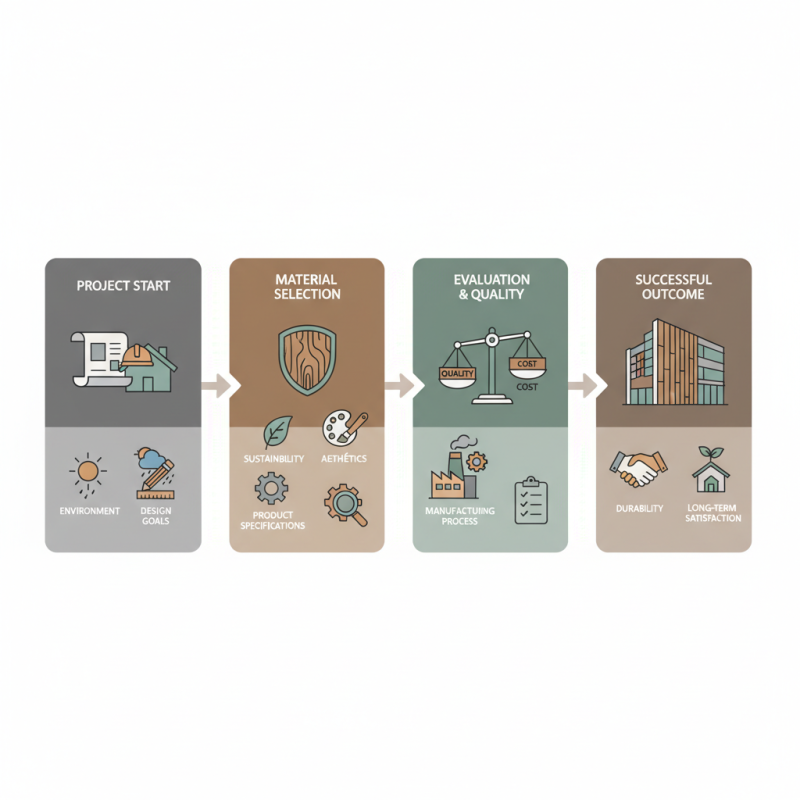
Additionally, reflecting on your project's specific needs is vital. Take the time to evaluate your environment and design goals. Quality matters, but so does the selection process. Choosing the wrong WPC can lead to disappointing results. Thus, it's essential to approach your decision thoughtfully, ensuring a successful outcome.
Understanding Wood Plastic Composite (WPC) Characteristics and Benefits
Wood Plastic Composite (WPC) combines wood fibers with plastic materials to create a versatile building product. This unique blend offers several advantages. First, WPC is highly resistant to rot and decay, making it ideal for outdoor projects. It withstands harsh weather conditions better than traditional wood. However, the quality of WPC can vary significantly, depending on the manufacturing process and materials used.
When selecting WPC, consider its density and flexibility. A denser panel often provides more durability, while flexibility can enhance its application in curved designs. Look for panels with UV protection to prevent fading over time. Note that not all WPC products are created equal; some may not perform well under extreme temperatures. Pay attention to warranties and product specifications to ensure reliability.
In addition to these characteristics, WPC is eco-friendly. It repurposes plastic waste and reduces deforestation. Still, the environmental impact of WPC production should be evaluated. It’s crucial to weigh benefits against potential drawbacks. Ensuring you understand these essential aspects will guide you toward the best choice for your project.
Evaluating Different Types of WPC Panels: Pros and Cons
When selecting WPC panels for your project, understanding their types is crucial. Wood-plastic composite (WPC) panels come in various forms, each presenting unique advantages and drawbacks. For instance, the capped WPC panels offer enhanced durability and weather resistance. However, their higher cost may not fit every budget. On the other hand, uncapped panels are more affordable but can be more susceptible to moisture.
Consider the aesthetic as well. Some WPC panels mimic natural wood beautifully. They are visually appealing but may require more maintenance over time. In contrast, recycled WPC options are eco-friendly, but their color saturation may not match traditional wood. Weigh these factors against your project’s requirements and location.
**Tips:** Always request samples. Touch and feel the material before you decide. Research installation methods, as some panels are easier to work with than others. Test for slip resistance, especially for outdoor applications. This evaluation can mitigate potential regrets later.
How to Choose the Best Wood Panel WPC for Your Project? - Evaluating Different Types of WPC Panels: Pros and Cons
| WPC Type |
Pros |
Cons |
Best Use Cases |
| Solid WPC |
Durable, insect-resistant, low maintenance |
Heavier, higher cost |
Decking, outdoor furniture |
| Hollow WPC |
Lightweight, cost-effective |
Less durable, prone to warping |
Fencing, wall cladding |
| Capped WPC |
Enhanced weather resistance, color retention |
Higher price, may require specialized fasteners |
Luxury decking, high-end outdoor installations |
| Recycled WPC |
Eco-friendly, sustainable materials |
Variable quality, limited design options |
Sustainable projects, landscaping |
Key Factors to Consider: Durability, Aesthetics, and Cost
When selecting the best wood panel WPC for your project, you'll want to weigh key factors like durability, aesthetics, and cost. Durability is crucial, especially for outdoor applications. Choose materials that resist weathering and wear. Not all WPC products are created equal, so reviewing technical specifications is vital. Look for testimonials or ratings from other users for added confidence.
Aesthetics play an essential role in your choice. The color and texture of the WPC should align with your project’s design vision. Samples can provide a clearer idea of how the finished product will look. Try to visualize how different finishes will blend with your existing materials. Trust your instincts, but also consider how trends may shift in the future.
Cost is a significant factor that cannot be overlooked. Calculate the long-term expenses, including maintenance and replacement. Cheaper options may save money upfront but could cost more over time. Weigh your budget against the long-term benefits of durability and aesthetics. Sometimes, investing a little more now can save trouble down the road.
Tips: Always ask for sample boards before making your decision. This small step can prevent costly mistakes. Inquire about warranty and guarantees. They can provide insight into the manufacturer's confidence in their product. Remember, it’s okay to take your time in this decision-making process.
Comparison of Key Factors in Choosing Wood Panel WPC
How to Assess Environmental Impact and Sustainability Ratings of WPC
When selecting wood-plastic composite (WPC) for your project, environmental impact is crucial. Understanding the sustainability ratings of WPC can guide your choices. The Sustainable Forestry Initiative (SFI) and Forest Stewardship Council (FSC) certificates indicate responsible sourcing of materials. WPC often combines recycled wood and plastic, promoting resource conservation. Reports show that using recycled content can reduce production energy by up to 30%.
Assessing the environmental impact involves looking at lifecycle assessments (LCA). An LCA evaluates emissions, energy use, and waste throughout a product's life. A recent study found that WPC can have a lower carbon footprint than traditional wood products when sourced sustainably. However, not all WPC products are created equal. Variations in manufacturing processes can significantly affect their ecological impact.
Consider also the durability and potential for reuse. WPC generally lasts longer than traditional materials, reducing the need for replacements. Yet, they can be harder to recycle at the end of their lifecycle. The industry is making strides, but challenges remain. Future innovations could further improve the sustainability of WPC.
Top Brands and Their Performance in the WPC Market: A Comparative Analysis
When choosing wood-plastic composite (WPC) panels, it's vital to analyze market performance. Various brands offer distinct advantages and drawbacks. According to a recent industry report, the global WPC market is set to grow at a CAGR of 11.3% by 2027. This growth indicates strong consumer demand for durable and low-maintenance materials.
Different brands excel in specific areas, such as UV resistance or moisture durability. One study highlighted that 70% of consumers prefer WPC for its weather resistance. However, some products may show early signs of wear after a few years. This variability means it’s essential to consider long-term performance before making a decision.
Some leading brands provide warranties up to 25 years, yet real-life performance often varies. A survey revealed that 40% of reported issues stemmed from improper installation or environmental factors rather than the material itself. Evaluating user feedback can also reveal common concerns, such as fading or warping. This nuanced understanding of product performance helps to inform better decisions for specific projects.
FAQS
: Capped WPC panels offer enhanced durability and weather resistance. They are suitable for various environments.
Uncapped panels are more affordable but can be more susceptible to moisture. Consider your local climate.
Some WPC panels beautifully mimic natural wood, but they may require more maintenance over time.
Think about aesthetic, cost, durability, and maintenance needs for your specific project location.
Requesting samples allows you to touch and feel the material. This helps ensure it meets your expectations.
Research installation methods, as some panels can be easier to work with. This can influence the overall outcome.
Common issues include fading and warping. Improper installation or environmental factors often cause these problems.
The market's growth suggests strong demand for low-maintenance and durable materials in construction.
Some products offer warranties up to 25 years, but real-life performance may differ from expectations.
Evaluating user feedback reveals common concerns and helps make informed decisions for specific project needs.
Conclusion
When selecting the best Wood Panel WPC (Wood Plastic Composite) for your project, it is essential to understand its key characteristics and benefits. WPC panels combine the natural appeal of wood with the durability of plastic, making them a popular choice for various applications. Evaluating different types of WPC panels involves weighing their pros and cons, particularly in the context of durability, aesthetics, and cost.
Additionally, assessing the environmental impact and sustainability ratings of Wood Panel WPC is crucial. Not only should the performance and lifecycle of the materials be considered, but also their safety and ecological footprint. By taking into account these factors, along with a comparative analysis of top brands in the WPC market, one can make an informed decision that aligns with both aesthetic preferences and practical needs for their project.

 Xiangying