How to Choose the Best WPC Flooring Panel for Your Project?

Time:2026-07-04 Author:Amelia
0%

Choosing the right WPC flooring panel can greatly influence the outcome of your project. As John Stevens, a renowned expert in the WPC industry, states, “Selecting quality WPC flooring is crucial for durability and aesthetics.” WPC, or Wood Plastic Composite, combines the best of both wood and plastic. It's essential to understand the specific needs of your space before making a decision.

The options available for WPC flooring panels can be overwhelming. Different styles, colors, and textures can affect the overall look and feel of your space. Consider factors like foot traffic and moisture levels. This will help determine the right type of panel. The layout of your project may also dictate which WPC flooring panel is best suited.

In this dynamic market, not all WPC flooring panels are created equal. It's vital to assess brands and their reputations thoroughly. Some panels might seem appealing but lack durability. Ensuring you’re informed will lead to a more successful project outcome. The choice of WPC flooring panel can reflect your personal style while providing practicality.
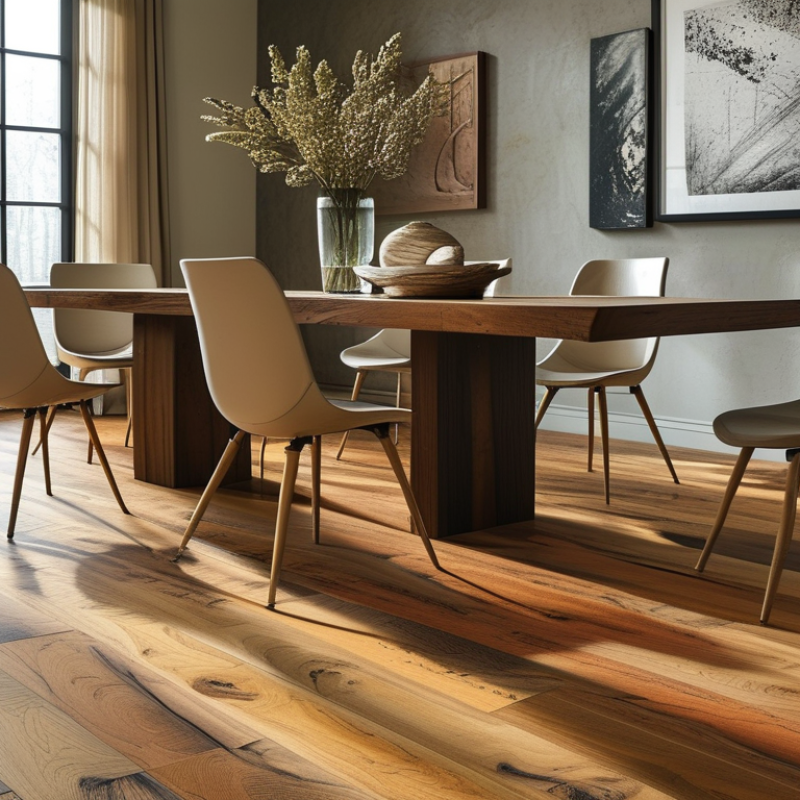
How to Choose the Best WPC Flooring Panel for Your Project?

Understanding WPC Flooring: Definition and Benefits

WPC flooring, or Wood-Plastic Composite flooring, is gaining popularity for residential and commercial projects. This material combines natural wood fibers with plastic, creating a sturdy yet flexible product. One major benefit of WPC flooring is its resistance to moisture. It performs well in high-humidity areas like kitchens and bathrooms. This feature looks appealing but can lead to overconfidence in its durability.

Another advantage is its ease of installation. Many WPC panels come with a click-lock system, making them user-friendly. Most DIY enthusiasts find they can install it without professional help. However, creating a flawless finish might require some practice. Many overlook the need for expansion gaps. Ignoring this detail can lead to buckling over time.

WPC flooring offers an array of designs, mimicking natural wood textures. This aesthetic appeal enhances the look of any space. Yet, some may feel it lacks the unique character of real wood. It's essential to consider your priorities. Understand the purpose and location of your project before choosing WPC flooring.

Key Factors to Consider When Selecting WPC Flooring Panels

When choosing WPC flooring panels, several key factors demand your attention. First, consider the thickness of the panel. A standard thickness ranges from 4mm to 8mm, but thicker options may offer better durability. According to industry reports, thicker panels often resist wear and dents more effectively.

Another crucial aspect is the surface texture. WPC flooring comes in various finishes, from smooth to embossed textures. Studies indicate that textured surfaces can enhance slip resistance, making them a safer choice for high-traffic areas. A rougher texture may also require more maintenance, so weigh convenience against safety.

Furthermore, examine the core materials. WPC panels consist of wood plastic composites, which vary in quality. The percentage of wood fiber can impact flexibility and rigidity. Research from flooring experts shows that a higher wood fiber content can improve overall performance but might lead to increased susceptibility to moisture. Thus, finding the right balance is essential for your specific project needs.

Comparing WPC Flooring to Other Flooring Options

WPC flooring, or wood plastic composite flooring, has gained popularity in recent years. Its unique blend of wood and plastic provides durability and aesthetic appeal. When comparing WPC to traditional flooring options, such as hardwood or laminate, several factors come into play.

Industry reports indicate that WPC flooring offers superior resistance to moisture and scratches. According to the National Wood Flooring Association, nearly 30% of homeowners face issues with water damage in traditional flooring. In contrast, WPC is designed to withstand spills and high humidity, making it suitable for kitchens and bathrooms. This advantage is significant for homeowners who prioritize longevity and easy maintenance.

Moreover, installation processes for WPC are often easier compared to alternatives like tile or hardwood. Data from the Flooring Contractors Association shows that WPC can be installed with floating methods, reducing labor costs. However, it's essential to acknowledge that not all WPC products are created equal. Some may not offer the same durability, leading to potential long-term issues. Therefore, careful selection and research of the product are crucial for ensuring quality and satisfaction.

Comparison of Flooring Options

Assessing Quality: What to Look for in WPC Flooring Panels

Choosing the right WPC flooring panel requires careful assessment of quality. One crucial aspect is the density of the material. Denser panels tend to resist warping and denting. This helps ensure longevity and durability in high-traffic areas. The thickness of the panels also plays a vital role. Thicker options often provide better sound absorption and overall stability.

Pay attention to the surface finish as well. A good surface finish improves water resistance and reduces wear. Look for panels with an embossed texture. This not only enhances aesthetics but also provides better grip. When evaluating samples, check how easily they scratch. Even minor scratches can affect the look and maintenance.

Tips: When in doubt, consult a professional. They can provide insights tailored to your project needs. Always ask for warranty details; this can indicate the manufacturer's confidence in their product. Remember, cheaper is not always better. Invest in quality to avoid future issues.

Installation and Maintenance Tips for WPC Flooring

When installing WPC (Wood Plastic Composite) flooring, proper preparation and maintenance are vital for longevity and durability. Research indicates that WPC flooring can withstand moisture better than traditional flooring types. It’s imperative to acclimate the panels before installation. Allow them to adjust to the room's temperature and humidity for at least 48 hours. This helps prevent future warping or buckling.


For cleaning, avoid harsh chemicals that can harm the surface. A simple mixture of warm water and a gentle cleaner can work wonders. Use a soft-bristle broom or a microfiber mop for routine maintenance. In a study by the National Wood Flooring Association, over 65% of flooring issues arise from improper care. Regularly inspecting for scratches or dents is crucial. Addressing minor issues promptly can save you from costly repairs later.


Also, consider how your project area affects maintenance. High-traffic zones may require more attention and periodic refinishing. Check your floor for signs of wear every few months. A report from the Journal of Flooring Research highlights that timely maintenance can extend WPC flooring life by an average of 30%. Ignoring these details may lead to unexpected replacements or increased costs.

FAQS

: What is WPC flooring?

: WPC flooring stands for wood plastic composite flooring. It blends wood and plastic for durability and beauty.

How does WPC flooring compare to traditional flooring?

WPC offers superior moisture and scratch resistance. It’s more suitable for kitchens and bathrooms.

Why is moisture resistance important?

Nearly 30% of homeowners encounter water damage in traditional flooring. Moisture-resistant options are crucial to prevent problems.

Is WPC flooring easy to install?

Yes, WPC can often be installed using floating methods. This makes it simpler and can save on labor costs.

Are all WPC products of good quality?

No, not all WPC products are created equal. Some may lack durability, leading to potential long-term problems.

What should I consider when selecting WPC flooring?

Look at the density and thickness of the panels. Denser and thicker options usually offer better performance.

How does surface finish affect WPC flooring?

A good surface finish improves water resistance and wear. An embossed texture offers better grip and aesthetic appeal.

What should I do if unsure about my flooring choices?

Consult a professional for tailored insights. They can guide you based on your specific project needs.

How important are warranties for flooring products?

Warranties can indicate a manufacturer’s confidence in their product. Always ask for warranty details when selecting flooring.

Conclusion

When selecting the best WPC flooring panel for your project, it is essential to understand what WPC flooring is and the benefits it offers, such as durability, water resistance, and aesthetic appeal. Key factors to consider include the intended use of the space, weather conditions, and the design you desire, as these will affect your choice of flooring.

Comparing WPC flooring panels to other flooring options can help highlight its advantages, such as ease of installation and maintenance. Additionally, assessing the quality of WPC flooring panels involves checking for thickness, density, and surface finishes. Proper installation and ongoing maintenance tips are crucial for maximizing the longevity and performance of your WPC flooring. By carefully evaluating these aspects, you can make an informed decision that best suits your project's needs.


Amelia

Amelia

Amelia is a seasoned marketing professional with a wealth of expertise in our company’s core offerings. With an unwavering passion for driving growth and innovation, she plays a pivotal role in shaping our marketing strategies and enhancing brand visibility. A key aspect of her responsibilities......