2026 How to Choose the Best WPC Panels for Your Project?

Time:2026-07-24 Author:Henry
0%

Choosing the right WPC panels for your project is crucial. With the variety of options available, it's easy to feel overwhelmed. Expert Mark Johnson, a leader in sustainable building materials, states, "Selecting the right WPC panels can make or break your project’s success." His insight highlights the importance of careful selection.

When considering WPC panels, think about the specific needs of your project. Quality, durability, and aesthetic appeal should be top priorities. Each panel serves a unique purpose, so it's essential to match those characteristics with your project’s demands. For instance, outdoor applications might require panels with higher resistance to moisture and UV exposure.

Sifting through the options presents challenges. Not all WPC panels are created equal. Understanding the manufacturing processes and materials used is vital. It can be easy to overlook subtle differences that significantly impact performance. Don't rush this decision; reflection and diligent research can save you from future regrets.
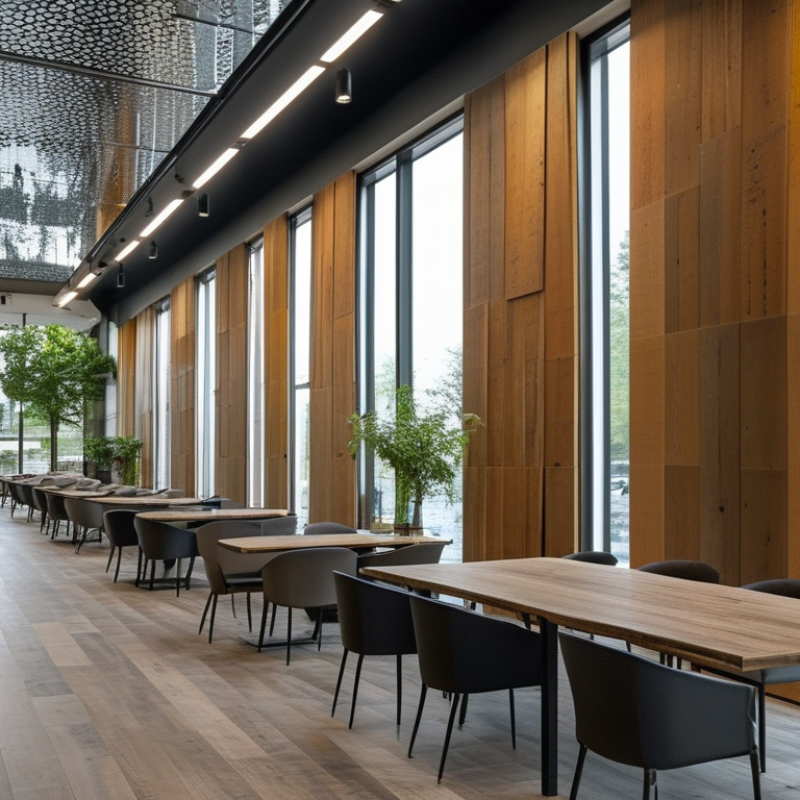
2026 How to Choose the Best WPC Panels for Your Project?

Understanding WPC Panels: What They Are and Their Benefits

WPC (Wood Plastic Composite) panels are innovative materials combining wood fibers and plastic. They have grown popular in construction and design due to their versatility. WPC panels offer significant benefits, such as weather resistance and easy maintenance. They do not splinter and can be installed in various environments. This makes them ideal for both indoor and outdoor projects.

One important tip when choosing WPC panels is to consider the intended use. Are they for decking, fencing, or interior applications? Each use may require different properties in terms of durability and aesthetic appeal. Understanding your project needs will guide you toward the right product.

Another key aspect is to assess the quality of the panels. Check for warranties and certifications. High-quality panels usually feature a consistent texture and color. However, not all products on the market are trustworthy. Some may lack durability or are prone to fading. It’s essential to conduct thorough research to ensure reliability.

Key Factors to Consider When Choosing WPC Panels

When choosing WPC (Wood-Plastic Composite) panels, several crucial factors demand attention. The first consideration is the material's durability. Research indicates that high-quality WPC panels can last up to 25 years, far exceeding traditional wood. Yet, not all panels are created equal. Some may degrade faster due to subpar manufacturing processes.

Moisture resistance is another key factor. WPC panels often boast excellent resistance to rotting and pests, yet performance varies with different products. A study found that 40% of lower-cost options experienced significant wear after just a few years. Assessing moisture absorption rates is vital; lower rates usually correlate with better longevity.

Color retention and aesthetic appeal are also essential. While many panels resist fading, a survey indicated that nearly 30% of consumers were disappointed with color fidelity after a year in direct sunlight. Additionally, the weight of the panels can affect ease of installation. Panels that are too heavy can pose logistical challenges. Therefore, balance between weight and sturdiness should guide your choice, ensuring a successful fit for your project.

Different Types of WPC Panels and Their Uses

WPC panels, or wood-plastic composites, are increasingly popular for a variety of construction projects. They offer benefits like durability, low maintenance, and aesthetic appeal. Understanding the different types of WPC panels available can significantly enhance your project’s outcome.

There are several categories of WPC panels, each serving unique purposes. Ceiling panels are lightweight and easy to install. They provide insulation and soundproofing qualities. Decking panels, on the other hand, are designed for outdoor use. They resist moisture and are perfect for patios. According to a 2022 report by Grand View Research, the demand for decking solutions is projected to grow by over 10% annually.

In addition, wall panels are gaining traction for interior spaces. They mimic the look of natural wood while providing enhanced durability. Some panels even come with fire-resistant properties. However, not all WPC panels are created equal. It's crucial to choose panels that meet industry standards, as some lower-quality options may warp or fade quickly. Research indicates that selecting high-density composite materials tends to yield the best long-term results. Reflecting on your needs will ensure you select the most suitable type for your project.

Comparison of Different Types of WPC Panels and Their Uses

Evaluating Quality and Durability of WPC Panels

When evaluating WPC (Wood-Plastic Composite) panels, quality and durability are paramount. These materials are a blend of wood fibers and plastics, designed for performance and longevity. According to industry research, top-tier WPC panels can last 25 years or more with proper care. It’s essential to consider their resistance to moisture and pests, as this directly affects their lifespan.

One critical element to assess is the manufacturing process. Panels created with high-quality polymers and uniform wood content tend to outlast others. Look for certifications that indicate sustainability and quality. Reports indicate that panels with a high density often outperform lighter counterparts in durability tests.

Tips: Check for warranties that reflect confidence in product longevity. A minimum 10-year warranty is typically a good sign of quality.

Another aspect to reflect on is the potential for fading or discoloration. Some low-quality WPC panels may lose color over time, impairing aesthetics. Research suggests that UV-resistant additives can mitigate this issue effectively. It's wise to combine aesthetic preferences with practical durability considerations.

Tips: Always request samples before making a final decision. Testing them in your project’s environment can reveal unforeseen challenges.

Cost Considerations and Budgeting for Your WPC Project

When planning a WPC project, budgeting plays a critical role. Understanding the costs involved helps in making informed decisions. WPC panels can vary in price significantly, influenced by factors like quality, design, and thickness. Consider what blend of materials best fits your budget. While cheaper options may save money initially, they often lack durability. This is a common mistake.

Be mindful of ongoing expenses as well. Installation costs can escalate if you choose complex designs. Maintenance budgets should also be factored in. Some panels require more upkeep, potentially driving costs up over time. A good strategy is to opt for panels that combine affordability with longevity. Researching several suppliers can yield insight into cost-effectiveness.

Identify potential hidden costs early. Delivery fees and installation supplies could add up. Overlooking such factors can disrupt your financial plan. If you’re not careful, you could exceed your budget easily. It’s crucial to reflect on these aspects before committing. Being thorough and realistic in your financial planning ensures smoother progress in your WPC project.

FAQS

: What are WPC panels?

: WPC panels are made from wood fibers and plastic. They are popular for construction and design.

What are the advantages of WPC panels?

They offer weather resistance and low maintenance. Additionally, they do not splinter easily.

How long do WPC panels last?

High-quality WPC panels can last up to 25 years. However, some lower-quality options degrade faster.

What factors should I consider when choosing WPC panels?

Look at durability, moisture resistance, and color retention. Each project may require different specifications.

Why is moisture resistance important for WPC panels?

Moisture resistance prevents rotting and pest damage. However, performance can vary among different products.

How can I budget for my WPC project?

Consider the initial costs and ongoing expenses. Installation and maintenance can significantly impact your budget.

What is often overlooked in WPC project budgets?

Hidden costs, such as delivery fees and installation supplies, can escalate expenses. Be cautious about these.

Are all WPC panels created equal?

No, some panels lack durability and color fidelity. It's essential to conduct research before purchasing.

Should I prioritize cost or quality?

While cheaper options might save money upfront, they often lack durability. Balance cost with long-term value.

How does panel weight affect installation?

Heavier panels can create logistical challenges. Therefore, consider both weight and sturdiness when making selections.

Conclusion

When selecting WPC panels for your project, it is essential to understand what they are and the benefits they provide. WPC (Wood-Plastic Composite) panels combine the advantages of wood and plastic, offering durability, resistance to moisture, and minimal maintenance requirements. Key factors to consider include the panel's intended use, color, and texture. Different types of WPC panels cater to various applications, from decking to fencing, ensuring versatility in design and functionality.

Evaluating the quality and durability of WPC panels is crucial for long-term satisfaction. Ensure to check the manufacturer's specifications and warranties. Additionally, cost considerations play a significant role in budgeting for your project. By carefully assessing these aspects, you can choose the best WPC panels that align with your project goals while staying within budget.


Henry

Henry

Henry is a dedicated marketing professional with a profound expertise in the company's offerings. With years of experience in the industry, he possesses an impressive understanding of the market dynamics and consumer behaviors that drive success. Henry is committed to sharing his insights through......