Choosing the right Wpc Exterior Panel is essential for your project. This decision impacts both aesthetics and durability. With various options available, making the right choice can feel overwhelming. Understanding the unique benefits of Wpc materials is vital. They offer a blend of wood and plastic, making them resistant to moisture and insects. This durability is crucial, especially in harsh weather conditions.
When selecting a Wpc Exterior Panel, consider the design and color options. You want something that complements your architecture. Pay attention to texture and finish, as they affect both appearance and longevity. Remember, not all panels are created equal. Some may fade or warp over time.
It’s important to reflect on your specific needs. Think about the installation process and maintenance. While Wpc panels can simplify upkeep, ensure you choose a brand with a strong reputation for quality. Ultimately, your project deserves careful consideration of its materials.
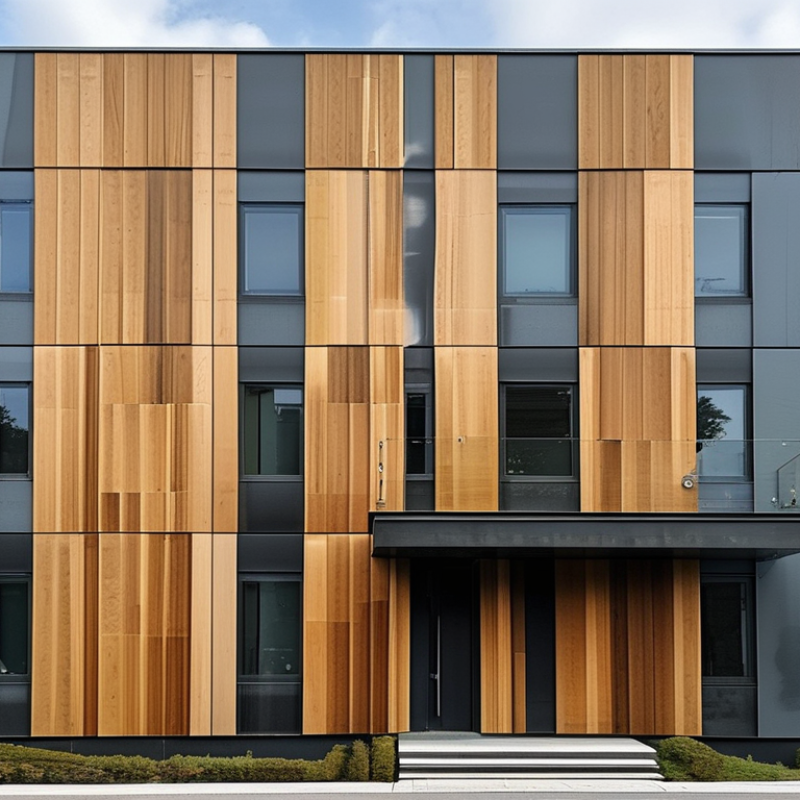
Understanding WPC Exterior Panels: Definition and Benefits
When considering WPC exterior panels, understanding their definition and benefits is crucial. WPC stands for Wood Plastic Composite. It combines wood fibers and plastic polymers. This blend results in a robust and eco-friendly material. According to industry reports, WPC panels can be up to 50% lighter than traditional wood, making installation easier and more efficient.
The benefits of WPC panels extend beyond weight. They are highly resistant to moisture and UV rays. A study by the International WPC Association showed that WPC materials can last up to 25 years with proper maintenance. Unlike conventional wood, WPC does not warp or splinter easily. However, not all WPC products are created equal; some may degrade faster under harsh conditions.
It is worth noting that while WPC panels are durable, they can be more expensive upfront. This initial cost might deter some builders. Yet, the long-term savings from reduced maintenance and replacement needs often outweigh these concerns. It's essential to research and choose WPC products that meet stringent quality standards. Each project's unique needs should guide the final choice.
2026 How to Choose Wpc Exterior Panel for Your Project? - Understanding WPC Exterior Panels: Definition and Benefits
| Feature |
Description |
Benefits |
| Durability |
WPC panels are resistant to weather, moisture, and rot. |
Long lifespan and reduced need for replacement. |
| Maintenance |
Easy to clean and requires minimal maintenance. |
Saves time and costs in upkeep. |
| Aesthetic Appeal |
Available in various colors and textures. |
Enhances the visual appeal of your project. |
| Eco-Friendly |
Made from recycled materials and free from harmful chemicals. |
Sustainable choice for environmentally conscious projects. |
| Installation |
Lightweight and easy to install. |
Reduces labor costs and installation time. |
Factors to Consider When Selecting WPC Exterior Panels
When selecting WPC (Wood Plastic Composite) exterior panels, several factors come into play. One key aspect to consider is durability. WPC panels are known for their resistance to moisture, rot, and insects, making them ideal for outdoor use. According to a report by the Freedonia Group, demand for WPC products is projected to grow by 7.5% annually through 2026, reflecting their increasing popularity due to these performance qualities.
Another important factor is aesthetics. WPC panels come in various textures and colors. This allows you to achieve the desired look for your project. However, not all options reflect the natural beauty of wood. Research indicates that consumers often prefer natural-looking finishes. The finish you choose can impact the overall appeal of your project, so consider the design carefully.
Cost is also a significant consideration. WPC panels typically have a higher upfront cost compared to traditional materials. However, their longevity and lower maintenance needs can offset the initial investment. A study by the National Association of Home Builders reported that homeowners often see a return on investment with WPC, especially in terms of energy efficiency and longevity. Balancing cost with performance and aesthetics is crucial for achieving your project goals.
Comparing WPC with Alternative Exterior Material Options
When comparing WPC (Wood-Plastic Composite) with traditional materials for exterior panels, several factors come into play. WPC offers a unique blend of wood and plastic, providing durability and resistance to weathering. Reports indicate that WPC can last up to 25 years with minimal maintenance. This longevity appeals to many homeowners and builders alike.
Alternative materials like vinyl and solid wood have their merits. Vinyl is often less expensive but lacks the natural look of WPC. Conversely, solid wood boasts an attractive aesthetic but requires regular upkeep to prevent rot and warping. For instance, the National Association of Home Builders points out that wood can deteriorate in wet climates, leading to increased costs over time.
WPC panels are becoming a favorite due to their sustainability. They are made from recycled materials, which is a key concern for environmentally conscious consumers. However, not all WPC products are created equal. Some might have a higher plastic content, reducing their biodegradability. It's crucial to verify the material's composition to ensure you're making a responsible choice. Being informed about these distinctions helps in selecting the right exterior panel for your specific project needs.
Installation Tips for WPC Exterior Panels: Best Practices
When installing WPC exterior panels, proper technique is crucial. Begin with a clean, dry surface. Make sure the framing is sturdy and level. This foundation prevents warping and ensures durability.
Use screws designed for WPC materials. They provide a secure hold and minimize splintering. Consider pre-drilling holes to prevent cracking. This step is often overlooked but can save you from costly damages later.
Leave adequate expansion gaps between panels. WPC can expand and contract due to temperature changes. Ignoring this may lead to buckling.
Regular maintenance is also vital. Check for signs of wear or damage. Early detection can prevent extensive repairs later.
Maintaining WPC Exterior Panels for Longevity and Performance
Maintaining WPC exterior panels is vital for their longevity and performance. Regular cleaning can prevent dirt buildup and mold growth. Use a mild detergent and water solution to wipe down the surfaces. This simple step keeps the panels looking fresh and vibrant. Pay attention to spots that collect debris, like corners and joints.
Inspect the panels periodically for signs of wear. Look for any surface scratches or fading from UV exposure. These issues can affect both appearance and performance. If you notice damage, act quickly to address it. Consider applying a protective sealant to enhance durability and water resistance. This extra layer can help in extending the life of your panels.
Seasonal checks can also be beneficial. After harsh weather, be proactive in assessing your WPC panels. Watch for warping or moisture damage. Investing time in maintenance can save you greater costs down the line. In doing so, you not only enhance the look of your exterior but also ensure it stands the test of time.
WPC Exterior Panels: Durability vs. Cost Analysis
FAQS
: WPC stands for Wood-Plastic Composite. It blends wood and plastic for durability.
WPC can last up to 25 years with minimal maintenance, appealing to many homeowners.
Alternatives include vinyl and solid wood. Each has pros and cons in terms of cost and appearance.
Vinyl is less expensive, but it lacks the natural look of WPC.
Solid wood requires regular maintenance to prevent rot and warping, especially in wet climates.
Regular cleaning with mild detergent and water prevents dirt buildup and mold growth on WPC panels.
Verify the material's composition. Some products may have higher plastic content, affecting biodegradability.
Applying a protective sealant helps increase durability and water resistance, extending the panels’ life.
Yes, periodic checks for wear, surface scratches, or fading can help maintain appearance and performance.
After harsh weather, assess for warping or moisture damage. Early action can prevent bigger issues later.
Conclusion
WPC exterior panels are an innovative building material that combines the advantages of wood and plastic, offering durability and resistance to weather elements. Understanding their definition and benefits is crucial for anyone considering them for their project. When selecting WPC exterior panels, factors such as environmental impact, aesthetics, and cost must be taken into account.
Additionally, comparing WPC with alternative materials helps in making informed decisions, as each option presents unique benefits and drawbacks. For proper installation, following best practices is important to ensure optimal performance, while regular maintenance can significantly enhance the lifespan of WPC exterior panels. By considering these aspects, homeowners and builders can effectively incorporate WPC panels into their projects, ensuring lasting quality and appeal.

 Xiangying