When considering materials for your next project, WPC panels stand out. These composite materials, made from wood fibers and plastic, offer a unique blend of durability and aesthetic appeal. According to industry expert John Smith, "WPC panels are not just cost-effective; they redefine how we approach sustainable material choices." This statement underscores the growing recognition of WPC panels in various construction and design fields.
WPC panels are highly versatile. They can be used for decking, fencing, and even wall cladding. Their resistance to moisture and insects makes them a preferred option over traditional wood. Moreover, the ease of maintenance can save both time and money for homeowners and contractors alike. However, not all WPC panels are created equal. It's crucial to choose high-quality products to avoid issues like warping or fading.
While WPC panels have many advantages, it’s vital to evaluate their suitability for your specific project. Some individuals may still prefer the classic look of natural wood or face challenges in sourcing reliable suppliers. In this evolving landscape of construction materials, understanding the benefits and limitations of WPC panels is essential for making informed decisions.
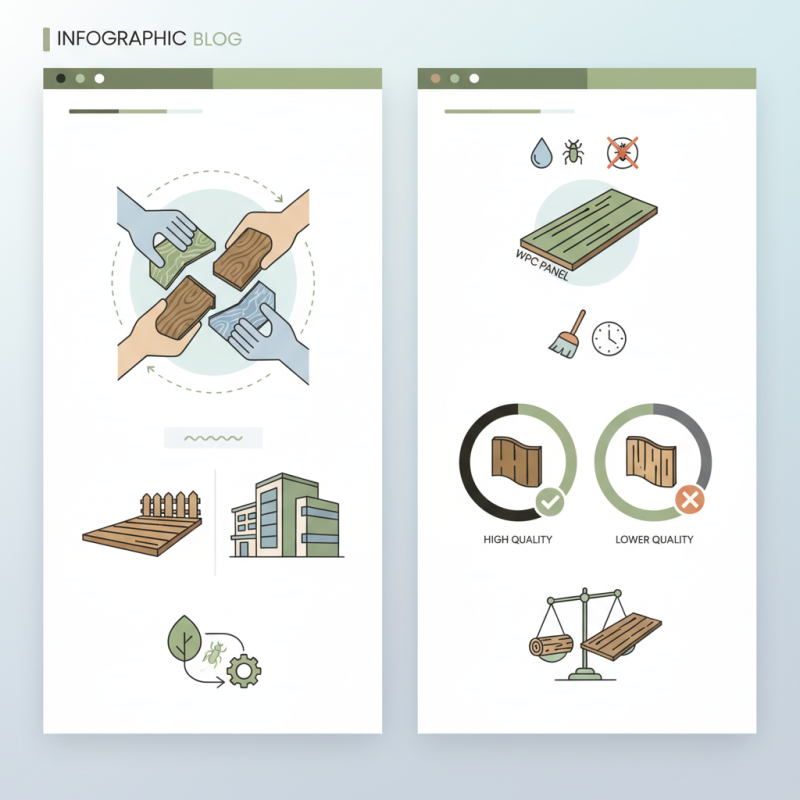
Benefits of WPC Panels in Modern Construction Projects
WPC (Wood-Plastic Composite) panels are becoming a popular choice in modern construction projects. Their unique composition offers a range of benefits that appeal to both builders and property owners. According to a report from the Global Wood Plastic Composite Market, the industry is expected to grow by 15% annually, indicating a robust trend towards these materials.
One significant advantage of WPC panels is their durability. They resist rotting, warping, and decay, making them ideal for outdoor applications. In an era where sustainability is crucial, WPC panels also contain recycled materials, reducing the environmental impact. Studies show that using WPC can decrease the carbon footprint in construction by approximately 30%. However, achieving a balance between aesthetic appeal and functionality can sometimes be tricky.
Another compelling benefit is the low maintenance required for WPC panels. Unlike traditional wood, they do not need regular sealing or painting. This aspect can save considerable long-term costs. However, some builders have noted that the initial investment may be higher than conventional materials, which can be a point of contention. Still, with the right planning, WPC panels can offer significant value in modern architectural designs.
Why Choose Wpc Panels for Your Next Project? - Benefits of WPC Panels in Modern Construction Projects
| Feature |
Description |
Benefits |
| Durability |
WPC panels are resistant to rot, moisture, and pests. |
Lifespan extended, reduced maintenance costs. |
| Eco-Friendly |
Made from recycled wood and plastic materials. |
Sustainable choice, reduced environmental impact. |
| Aesthetic Versatility |
Available in various colors and textures. |
Enhances design options for modern projects. |
| Low Maintenance |
Requires minimal upkeep compared to traditional materials. |
Saves time and resources over the lifespan of the product. |
| Cost-Effective |
Competitive pricing and long-term savings on repairs. |
Budget-friendly solution for construction projects. |
Durability and Weather Resistance of WPC Materials
WPC panels, or wood-plastic composites, have gained recognition for their impressive durability and weather resistance. These materials are composed of a mixture of wood fibers and recycled plastics. According to a study by the American Society for Testing and Materials (ASTM), WPCs outperform traditional wood in terms of resistance to moisture and decay. This makes them ideal for outdoor projects, as they can withstand harsh conditions without warping or splintering.
In addition to weather resistance, WPC panels are highly durable. A recent industry report indicated that WPCs can last up to 25 years with minimal maintenance, significantly reducing the long-term costs of replacement and repairs. Their resistance to UV rays prevents fading and maintains the appearance over time. Moreover, these panels exhibit resistance to insects, ensuring that infestations do not compromise structural integrity.
However, it is essential to acknowledge that while WPC materials offer many advantages, they are not entirely without drawbacks. Some WPCs can be prone to scratches and dents, especially in high-traffic areas. Additionally, the production process of WPCs raises concerns about sustainability. Therefore, it is crucial to consider both benefits and limitations before choosing WPC for projects.
Sustainability: Eco-Friendly Aspects of WPC Panels
WPC panels, or wood-plastic composites, stand out for their eco-friendly features. These materials combine recycled wood fibers and plastic, reducing waste. By choosing WPC, you contribute to environmental sustainability. The panels are not only durable but also come from sources that minimize deforestation. This approach respects nature while meeting construction demands.
When selecting WPC panels, consider their long lifespan and low maintenance. These panels resist rotting and insects, which means less frequent replacements. However, it’s essential to ensure proper installation to maximize their lifespan. Also, ensure that the WPC panels you choose are certified for sustainability. This way, you guarantee your project aligns with eco-friendly practices.
**Tip:** Always verify the materials’ origins. Seek out products that use recycled content. It may take more effort to research, but the results are worth it.
**Tip:** Don't shy away from asking questions. Understanding the manufacturing process can reveal a lot about its eco-credentials. A little inquiry can lead to informed choices.
Versatility in Design: Applications of WPC Panels
WPC panels, or Wood-Plastic Composites, provide exceptional versatility in design. They blend the beauty of wood with the durability of plastic, making them suitable for various applications. From decking and fencing to interior wall cladding, their use is expanding across multiple sectors. This flexibility allows them to adapt to both residential and commercial projects effortlessly.
In outdoor settings, WPC panels resist moisture, reducing the risk of warping. This makes them ideal for garden furniture and patio spaces. In interiors, they offer a modern aesthetic with easy maintenance. Their unique texture can mimic wood grain, providing a natural look without the upkeep. However, achieving the right balance between aesthetics and durability can be challenging.
Designers must consider color fading over time and material compatibility with different environments.
Furthermore, WPC panels also lend themselves to innovative architectural designs. They can be cut into various shapes and sizes, enabling creative freedom. The range of finishes available ensures that they can fit into any theme, from rustic to contemporary. Yet, with so many options, careful selection is necessary. It’s crucial to reflect on long-term performance versus initial visual appeal to ensure the desired results.
Cost-Effectiveness of Using WPC Panels in Building Design
WPC panels have emerged as a popular choice in modern building design, particularly due to their cost-effectiveness. These panels, made from a blend of wood fibers and plastic, not only reduce material costs but also lower maintenance expenses. They resist rotting and warping, which means less frequent replacements. When comparing traditional materials, WPC typically results in significant savings over time.
Installation costs are also lower with WPC panels. Their lightweight nature makes them easier to handle. Workers can install them faster, reducing labor costs. Yet, it’s important to consider the initial investment. Some may find them pricier upfront than other materials. However, the long-term savings often outweigh the initial cost. Thoughtful budgeting is needed to see the bigger picture.
Moreover, the versatility of WPC panels means they can be used in various applications, from residential to commercial. They can mimic the look of wood while providing the durability of plastic. This flexibility can enhance the aesthetic appeal of a project without breaking the bank. Yet, every project is unique. Thus, it's crucial to evaluate specific needs before choosing WPC panels as the ultimate material.
Cost-Effectiveness of Using WPC Panels in Building Design
The chart above illustrates the average cost per square meter of various building materials, showcasing the cost-effectiveness of WPC panels compared to traditional wood and other materials like MDF and plywood.
FAQS
: WPC panels are Wood-Plastic Composites used in construction. They combine wood and plastic for durability.
They resist rotting, warping, and decay, ideal for outdoor projects.
They contain recycled materials, reducing environmental impact and lowering carbon footprints.
Yes, they require no regular sealing or painting, saving long-term costs.
Yes, some builders say the initial investment is higher, which can be contentious.
Absolutely! They offer a modern look and are easy to maintain in interiors.
They resist moisture, making them great for garden furniture and patios.
They must balance aesthetics with durability and consider color fading over time.
Yes, they can be cut into various shapes and come in many finishes, allowing creative freedom.
Ensuring long-term performance may require reflection and careful selection of materials.
Conclusion
WPC panels are becoming increasingly popular in modern construction projects due to their numerous benefits. These materials are known for their durability and weather resistance, making them an ideal choice for various environmental conditions. Additionally, WPC panels are eco-friendly, contributing to sustainable building practices by utilizing recycled materials and reducing overall environmental impact.
The versatility of WPC panels allows for a wide range of applications in design, from residential to commercial spaces. They can be easily customized to fit different aesthetic requirements, enhancing the overall appeal of any project. Moreover, WPC panels offer cost-effectiveness, reducing long-term maintenance costs while providing a high-quality finish. Overall, choosing WPC panels can significantly elevate the efficiency and sustainability of construction endeavors.

 Xiangying