What is WPC 3D Panel and Why Choose It for Your Projects?

Time:2026-05-01 Author:Sienna
0%

As the construction industry evolves, innovative materials like WPC 3D Panels are gaining popularity. Experts, such as Dr. Emily Chen, a leading materials engineer, emphasize their benefits. She states, “WPC 3D Panels not only offer durability but also enhance aesthetic appeal.”

WPC 3D Panels, made from wood plastic composite, are lightweight yet robust. They provide an exceptional insulation value and are resistant to moisture and pests. This combination makes them ideal for various projects, including residential and commercial spaces.

Choosing WPC 3D Panels can improve energy efficiency in buildings. However, it’s essential to consider installation challenges and cost factors. Not all contractors are familiar with this product, which may lead to inefficient installation. Thus, thorough research and expert advice are critical in harnessing the full potential of WPC 3D Panels.
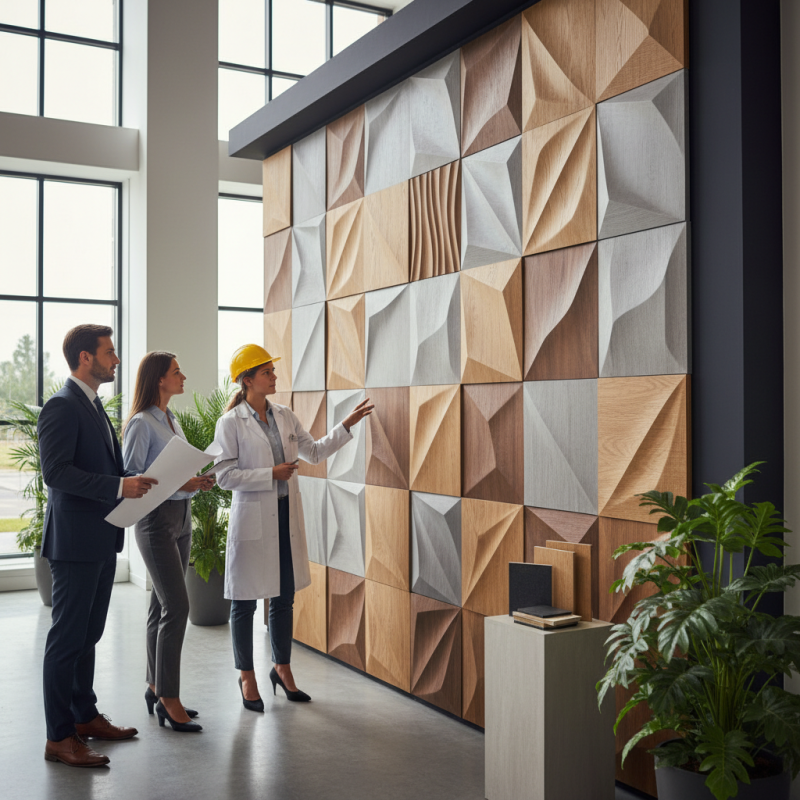
What is WPC 3D Panel and Why Choose It for Your Projects?

Definition and Composition of WPC 3D Panels

WPC 3D panels, made from wood-plastic composites, offer a unique blend of aesthetics and durability. These panels typically consist of recycled wood fibers and thermoplastics, providing a sustainable alternative to traditional materials. Their composition results in lightweight yet sturdy panels, making them easier to handle during installation. According to a recent industry report, the global market for WPC products is projected to grow significantly, driven by eco-conscious consumers and sustainable building practices.
When choosing materials for your projects, consider the environmental impact. WPC panels are recyclable, which minimizes waste. Data shows that using WPC panels can reduce overall material usage by up to 30%. This is crucial in an era where resource conservation is a priority. Yet, some may find the initial costs higher than conventional options. It is essential to weigh the long-term benefits against upfront expenditures.

Tip: Always inspect the quality of the panels before purchasing. Look for certifications that indicate compliance with industry standards. This can save time and resources in the long run. Additionally, consider how the design fits into your project's vision, as the unique textures of WPC 3D panels can enhance aesthetic appeal while offering functionality. Balancing beauty with practicality is key.

Key Advantages of Using WPC 3D Panels in Construction

WPC 3D panels have gained popularity in construction due to their remarkable advantages. These panels are made from wood-plastic composites, combining the strengths of both materials. According to a report from the Construction Industry Research Board, the use of composite materials can reduce structural weight by up to 30%. This lighter weight can lower transportation costs and ease installation, leading to time savings on job sites.

One significant advantage of WPC 3D panels is their durability. They are resistant to moisture, pests, and UV degradation, making them suitable for various environments. The U.S. Department of Energy states that energy-efficient building materials like WPC can improve insulation and reduce heating and cooling costs by up to 25%. However, it’s essential to consider that not all WPC products are created equal. Quality can vary, necessitating thorough research before selection.

WPC 3D panels also support sustainable building practices. They are often made from recycled materials, decreasing the demand for new resources. The Green Building Council notes that integrating sustainable materials can earn valuable LEED points, enhancing the overall value of a project. Notably, while these panels offer many benefits, potential users should remain cautious of varying performance levels across different climates. This oversight can impact long-term efficacy and user satisfaction.

Advantages of WPC 3D Panels in Construction

Comparison of WPC 3D Panels with Traditional Building Materials

WPC (Wood Plastic Composite) 3D panels are gaining traction in the construction industry. They offer unique advantages compared to traditional materials like wood and concrete. According to a recent industry report, WPC products can reduce carbon emissions by up to 40% compared to conventional building materials. This stat highlights their environmental benefits.

When comparing WPC 3D panels with traditional options, weight is a crucial factor. WPC panels are significantly lighter, making them easier to handle and install. This can lead to reduced labor costs and faster project timelines. For example, a typical WPC panel weighs about 60% less than an equivalent plywood panel. However, some may question their durability compared to solid wood or metal.

The fire resistance of WPC panels is often debated. Some reports suggest WPC panels might perform worse than traditional materials in certain fire tests. However, advances in manufacturing have improved their flame retardant properties. Architects and builders should carefully assess these factors when deciding on materials. Understanding both the pros and cons will lead to better project outcomes.

Application Areas and Versatility of WPC 3D Panels

WPC 3D panels, made from wood-plastic composites, are increasingly popular in construction and interior design. Their applications span residential, commercial, and industrial projects. For instance, in recent industry reports, the demand for WPC materials is projected to grow by over 12% annually. This highlights their significant role in the market.

The versatility of WPC 3D panels allows them to be used in various settings. They are suitable for wall panels, ceilings, and even furniture. Their lightweight nature makes installation easier and more efficient. In many cases, these panels can reduce project timelines. For example, using these panels can cut down on labor costs by up to 30%. However, there are challenges to consider. Not all WPC products perform equally. Factors such as weather resistance and durability can vary widely among suppliers.

Furthermore, the aesthetic appeal of WPC 3D panels cannot be overlooked. They come in various designs, textures, and finishes. This variety meets the creative demands of architects and designers. Still, potential buyers should be cautious. It’s essential to research and select panels that meet regulatory standards and project specifications. In some instances, lower-cost options may compromise quality. Balancing cost and performance remains a complex issue in choosing the right materials.

Sustainability and Environmental Benefits of WPC 3D Panels

WPC 3D panels are making strides in sustainability. Made from wood-plastic composites, these panels incorporate recycled materials. Reports show that using recycled wood in structural applications can reduce waste by up to 30%. This aligns well with modern green building practices.

The environmental benefits are significant. WPC panels offer energy efficiency, requiring less energy for heating and cooling. According to the American Institute of Architects, buildings consume 40% of the nation’s energy, illustrating the impact of efficient materials. WPC panels can also lower carbon footprints in construction projects.

Moreover, their durability is noteworthy. These panels withstand moisture and pests, reducing the need for chemical treatments. A study indicated that buildings using alternative materials often face maintenance issues, leading to more waste over time. While WPC panels represent an excellent step toward sustainability, ongoing evaluations and improvements are necessary to maximize their potential in various applications.

What is WPC 3D Panel and Why Choose It for Your Projects? - Sustainability and Environmental Benefits of WPC 3D Panels

Feature Description Environmental Benefit Sustainability Aspect
Material Composition Made from wood plastic composite (WPC) materials Utilizes recycled materials Reduces deforestation by using synthetic materials
Design Versatility Available in various patterns and textures Offers aesthetic appeal while being sustainable Customizable for different architectural styles
Insulation Properties Excellent thermal and acoustic insulation Reduces energy consumption for heating and cooling Contributes to lower carbon footprint
Durability Resistant to moisture, insects, and decay Lasts longer, reducing material waste Promotes long-term resource efficiency
Maintenance Needs Requires minimal maintenance compared to wood Less resource-intensive upkeep Enhances sustainability through reduced maintenance

FAQS

: What are WPC 3D panels made of?

: WPC 3D panels are made from wood-plastic composites, incorporating both wood fibers and plastic materials.

How do WPC panels compare to traditional materials in terms of weight?

WPC panels are significantly lighter, being about 60% less than equivalent plywood panels, making installation easier.

Can WPC panels reduce construction costs?

Yes, using WPC panels can lower labor costs by up to 30%, speeding up project timelines.

What are the fire resistance properties of WPC panels?

WPC panels have variable fire resistance. Some may perform worse in fire tests, but improvements in manufacturing help.

Are WPC panels suitable for different applications?

Yes, they can be used in residential, commercial, and industrial projects for walls, ceilings, and furniture.

Do WPC panels exhibit good durability?

Generally, WPC panels are durable against moisture and pests, but performance can vary among suppliers.

What sustainability benefits do WPC panels offer?

WPC panels use recycled materials, reduce waste, and lower carbon footprints, supporting green building practices.

How do aesthetic options of WPC panels vary?

They come in various designs, textures, and finishes, meeting creative demands for diverse projects.

Should buyers be cautious when selecting WPC panels?

Yes, it's important to research and choose panels that meet regulatory standards to ensure quality and performance.

Are all WPC products of equal quality?

No, there can be significant differences in weather resistance and durability among different WPC products.

Conclusion

WPC 3D Panels, made from a combination of wood fibers and plastic, offer a modern solution for construction projects. These innovative panels are designed to be lightweight yet durable, providing significant advantages over traditional building materials such as enhanced insulation, faster installation, and reduced waste. Their versatility allows for a wide range of applications, from residential homes to commercial buildings, making them an attractive choice for architects and builders alike.

In addition to their practical benefits, WPC 3D Panels are environmentally friendly, contributing to sustainable building practices. By utilizing recycled materials and reducing the carbon footprint associated with construction, these panels support a more eco-conscious approach to development. As awareness of environmental issues grows, WPC 3D Panels stand out as a responsible choice for those looking to innovate in the building industry.


Sienna

Sienna

Sienna is a skilled marketing professional with a deep expertise in our company’s core products and services. With a passion for innovation and detail, she plays a pivotal role in crafting insightful blog posts that not only highlight the unique features of our offerings but also provide valuable......