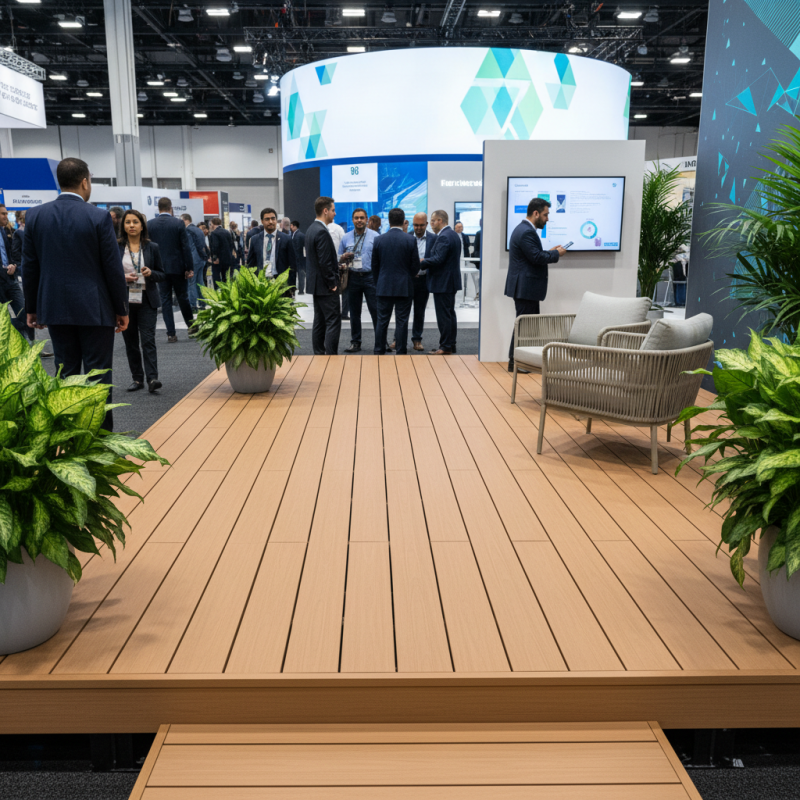
The 139th Canton Fair is an essential platform for showcasing innovation in building materials. Among the featured products, Wpc Exterior Deck Factory presents its advancements in composite decking solutions. These materials offer durability and aesthetic appeal, making them ideal for outdoor spaces.
Attendees can explore various designs that blend functionality with style. The Fair allows potential buyers to meet suppliers directly, fostering valuable connections. While many options exist, quality and sustainability remain critical concerns for purchasers.
Navigating the vast exhibit space can be challenging, but the introduction of AI technology enhances the experience. The ability to filter suppliers by certifications like ISO and CE is beneficial. Yet, companies must still reflect on their true capabilities and the sustainability impacts of their products. The path to success lies in genuine innovation and responsible production for a better future.
What Is WPC and Its Composition in Exterior Decking?
WPC, or wood-plastic composite, is a popular material for exterior decking. It combines wood fibers and plastic, creating a product that's both durable and appealing. This composite structure provides a wood-like appearance, which many homeowners desire. WPC decks are also resistant to moisture and insects, making them last longer in outdoor conditions.
However, the balance between wood and plastic can vary. Some products may contain more plastic, leading to concerns about environmental impact. The manufacturing process can sometimes result in inconsistencies in color and texture. Homeowners may find it challenging to pick the right option that meets their aesthetic and functional needs. A deck that looks great initially may fade over time under sunlight exposure.
Prospective buyers should pay attention to the composition. Understanding the ratio of wood fibers to plastic can help make informed decisions. Exploring various options can lead to better outcomes for their projects. Deck installation requires careful planning, so it's important to reflect on long-term maintenance and appearance. WPC can be a wonderful choice, but one must weigh the pros and cons carefully.
Advantages of WPC Exterior Decks Compared to Traditional Materials
WPC, or Wood Plastic Composite, is gaining attention at the 139th Canton Fair. This material combines wood fibers and plastic, offering a modern solution for outdoor decking. One major advantage of WPC exterior decks is their resistance to moisture. Traditional wood decks often warp and rot over time. In contrast, WPC maintains its integrity under wet conditions.
Another benefit is low maintenance. WPC decks don’t require painting or staining. A simple wash is often enough to keep them looking great. This is attractive for busy homeowners looking for durability. However, some people wonder about the initial cost. WPC decks can be pricier upfront than traditional wood. Yet, their longevity can lead to savings over time.
Many enjoy the aesthetic appeal of WPC. It can mimic the look of natural wood. But while the surface can be appealing, some users may notice scratches more easily. This raises questions about long-term aesthetics. It’s important for buyers to consider their needs carefully.
Advantages of WPC Exterior Decks Compared to Traditional Materials
This chart compares the advantages of WPC exterior decks against traditional materials like wood and concrete. The metrics evaluated include durability, maintenance, environmental impact, and cost-effectiveness.
Applications and Popularity of WPC Decks in Outdoor Settings
WPC (Wood Plastic Composite) decks are gaining traction in outdoor applications. These decks blend wood fibers with recycled plastics. As reported by various industry studies, the global WPC market is projected to reach $10 billion by 2027. This growth reflects a rising interest in sustainable materials.
In outdoor settings, WPC decks have become a popular choice for homeowners. They offer durability and low maintenance compared to traditional wood. Studies show that WPC materials resist rot and insects. Approximately 60% of users report satisfaction with the longevity of their decks. However, some consumers express concerns about color fading and surface scratches over time.
WPC decks are versatile, suitable for patios, pool areas, and walkways. Many architects favor them for their aesthetic appeal and environmental benefits. Yet, the initial installation costs can be higher than natural wood. Overall, while WPC decks seem promising, consumers should weigh their pros and cons carefully.
Innovations in WPC Technology Displayed at the Canton Fair
At the 139th Canton Fair, WPC (Wood Plastic Composite) exterior decks showcased significant innovations. These products combine recycled materials with advanced technology. Visitors marveled at the variety of textures and colors available. Designers experimented with finishes, creating unique surfaces. The promise of durability and resistance to weather made them attractive.
However, not everything was flawless. Some attendees noted concerns about the environmental impact of production. The balance between innovation and sustainability is delicate. This issue sparked conversations among manufacturers and consumers alike. Additionally, some products lacked the expected strength in real-world tests. Learning from these limitations is crucial for future developments.
Innovation isn't just about creating impressive displays. It requires addressing underlying challenges. Products must perform in everyday situations. Gathering feedback and making adjustments is essential. The future of WPC technology is promising, but there’s room for improvement. Overall, the Canton Fair served as a platform for ideas and reflection on this evolving industry.
Sustainability and Environmental Impact of WPC Decking Products
WPC, or Wood-Plastic Composites, is gaining popularity in exterior decking. At the 139th Canton Fair, these products caught everyone's attention. But what about their sustainability and environmental impact? This is a crucial discussion.
WPC decking is made from recycled wood and plastic materials. This composition reduces waste in landfills. However, the manufacturing process can still have environmental concerns. Some chemicals used may not be eco-friendly. It’s essential to source WPC from producers who prioritize low-impact methods.
Tip: Look for certifications that indicate sustainability in materials used. This ensures that your decking choice has a minimal environmental footprint.
In addition to sustainability, WPC decks have practical benefits. They resist fading, moisture, and insects, making them a durable choice. Yet, the aesthetic appeal might not satisfy all. Some people prefer natural wood. It's important to weigh your options carefully.
Tip: Consider the climate in your area when choosing materials. Some WPC products may not perform well in extreme temperatures.
Conclusion
The article delves into WPC (Wood-Plastic Composite) exterior decks, highlighting their composition, advantages, and growing popularity in outdoor applications. WPC exterior decks are celebrated for their durability and low maintenance compared to traditional materials like wood or concrete. The 139th Canton Fair showcases innovations in WPC technology, emphasizing its role in modern decking solutions.
Furthermore, the article discusses the sustainability and environmental impact of WPC decking products, illustrating their eco-friendly advantages. As the demand for outdoor solutions rises, the prominence of WPC exterior deck factories reflects a commitment to producing sustainable materials that benefit both consumers and the environment.

 Xiangying