WPC panel, or wood-plastic composite panel, is gaining momentum in the construction sector. Recent industry reports indicate that the WPC market is expected to grow significantly, reaching over $10 billion by 2027. This growth is driven by rising demand for sustainable building materials. "WPC panels offer a perfect blend of durability and aesthetic appeal," shares Dr. Emily Chan, a leading expert in composite materials.
The use of WPC panels spans various applications, from decking to wall cladding. Their resistance to moisture and pests makes them ideal for outdoor settings. Moreover, WPC panels come in diverse designs, offering flexibility in architectural choices. However, challenges remain, such as manufacturing consistency and environmental concerns regarding recycling.
Despite their advantages, some skepticism exists in the field. Many still question the longevity of WPC panels compared to traditional materials like hardwood. As the industry evolves, ongoing research and development are vital. Finding the perfect balance between performance and sustainability is essential for the future of WPC panels.
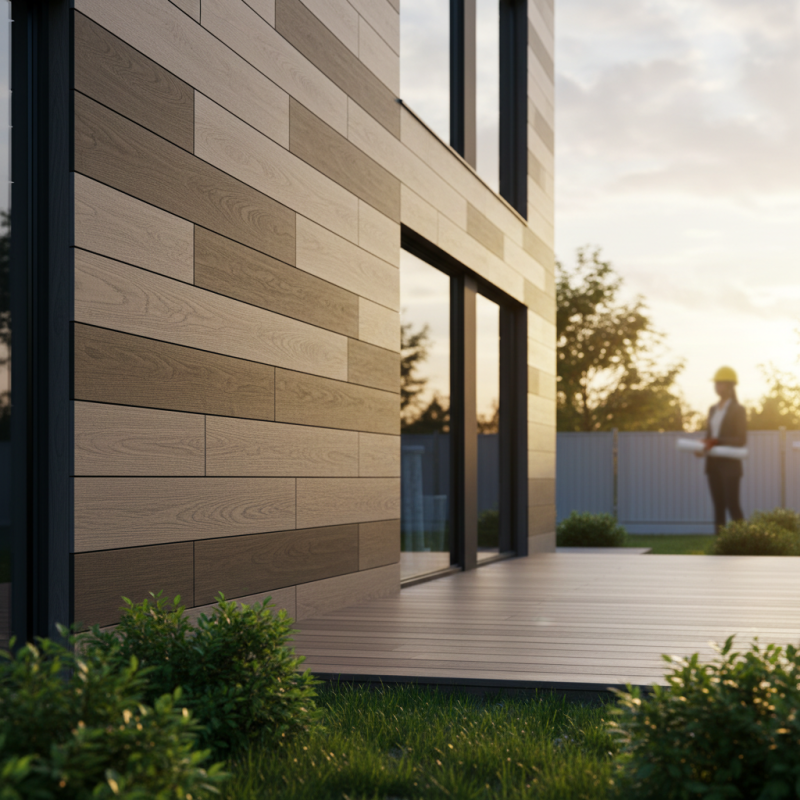
What is Wpc Panel: Definition and Overview
WPC panels, or Wood-Plastic Composites, are innovative materials combining wood fibers and plastic. They are designed to provide the durability of plastic with the natural aesthetics of wood. This makes them popular for various applications, including construction, furniture, and outdoor projects. These panels are often used in decking, wall coverings, and even garden furniture.
One appealing feature of WPC panels is their resistance to moisture and pests. They do not rot easily, making them suitable for humid environments. Additionally, WPC panels require less maintenance than traditional wood, which can be a significant advantage for busy homeowners. However, some may find the initial cost higher than conventional materials.
In terms of installation, WPC panels can sometimes be challenging. Achieving a perfect fit requires careful measurements and planning. The flexibility of the material can lead to issues like warping if not installed correctly. It’s essential to consider these factors when choosing WPC panels for your project. The benefits are clear, but one must also reflect on potential drawbacks.
Composition and Materials Used in Wpc Panels
WPC panels, or wood-plastic composite panels, are becoming increasingly popular in construction and design. They are made from a blend of wood fibers and plastic. This combination gives WPC panels their unique properties. They can mimic the look of natural wood while offering the durability of plastic. That makes them ideal for outdoor applications.
The primary materials used in WPC panels include recycled wood fibers and thermoplastic resins. Wood fibers come from various sources, like sawmill scraps and reclaimed wood. This is a more sustainable choice, as it minimizes waste. Meanwhile, the plastic used is often recycled, adding to the eco-friendliness of the panels.
However, not everything about WPC panels is perfect. Some people find the surface texture less appealing than natural wood. Others note that it may not hold up as well in extreme weather conditions. These factors are worth considering when choosing the right material for a project. Overall, the blend of materials allows for flexibility and creativity in design, despite some drawbacks.
Common Applications and Uses of Wpc Panels
WPC panels, or wood-plastic composites, are versatile materials made from a blend of wood fibers and plastic. They are increasingly popular in various applications. According to a recent market report, the global WPC market is projected to reach over $9 billion by 2024, highlighting their growing significance.
In construction, WPC panels serve multiple purposes. They are commonly used for decking, railing, and fencing. These panels are durable and resistant to moisture and insects. A study shows that WPC decking can last up to 25 years, outliving traditional wood. Additionally, WPC is eco-friendly, as it uses recycled materials, appealing to sustainable building practices. Designers appreciate their aesthetic flexibility, allowing for a wide range of finishes and colors.
WPC panels are also popular in interior design. They are used in wall coverings, cabinetry, and furniture. Their lightweight nature makes installation easier, but improper handling can lead to inconsistencies in fit and finish. Despite their benefits, some users report challenges with fading colors over time. This highlights the need for proper care and maintenance of WPC products, ensuring they retain their appeal and functionality.
Advantages of Using Wpc Panels in Construction
WPC panels, made from wood-plastic composites, offer several advantages in construction. They are lightweight yet sturdy, making transportation and installation easier. These panels resist moisture, preventing damage in humid environments. Their durability ensures they withstand wear and tear, which can reduce long-term maintenance costs.
One appealing aspect of WPC panels is their versatility. They come in various colors and finishes, allowing for creative designs. This adaptability can enhance aesthetic appeal in residential and commercial projects. However, choosing the right finish can be tricky. Some options may not hold up well under UV exposure.
Another important factor is sustainability. WPC panels use recycled materials, thus reducing waste. This can be a significant selling point. Nonetheless, the environmental impact varies by manufacturer. It’s crucial to research sourcing practices. Recognizing these nuances can lead to more informed decisions in construction projects.
Installation Process and Maintenance of Wpc Panels
WPC panels, made from wood and plastic composites, offer unique advantages for various applications. The installation process is straightforward but requires careful attention to detail.
Begin by measuring the area where the panels will be placed. Ensure that the surface is clean and dry. Mark the positions clearly. This step seems easy, yet many overlook minor measurements, leading to misalignment.
Cutting the panels to size is next. Use a reliable saw to achieve clean edges. Improper cuts can lead to gaps and an uneven finish. Secure the panels with appropriate fasteners or adhesive, depending on the surface. Make sure that the panels fit snugly together to prevent moisture ingress. Sometimes, trial and error is necessary, and adjustments may take longer than anticipated.
Maintaining WPC panels is also crucial for their longevity. Regular cleaning with mild soap and water is effective. However, some stains can be stubborn. It's important to experiment with different cleaning methods. Inspect the panels periodically for signs of wear. Addressing issues early can prevent larger problems later on.
Many users forget this routine check, which could lead to costly repairs.
FAQS
: WPC panels are made of a blend of wood fibers and plastic.
They provide durability, natural aesthetics, and resistance to moisture and pests.
They are used in construction, decking, wall coverings, and outdoor furniture.
Yes, they require less maintenance than traditional wood options.
Careful measurements and planning are essential for a perfect fit.
Yes, improper installation can lead to warping issues over time.
Some users experience fading colors after extended exposure, which requires attention.
WPC decking can last up to 25 years, longer than traditional wood.
Yes, it uses recycled materials, making it appealing for sustainable practices.
Some find the initial cost higher than conventional materials, but long-term benefits exist.
Conclusion
Wpc Panel, or Wood Plastic Composite Panel, is an innovative building material made from a blend of wood fibers and thermoplastics. This composite offers a durable and versatile option for various construction projects, combining the aesthetic appeal of wood with the resilience of plastic. Wpc Panels are commonly used in both indoor and outdoor applications, including decking, fencing, siding, and furniture, making them a popular choice for architects and builders alike.
The advantages of using Wpc Panels in construction are significant; they are resistant to moisture, pests, and decay, requiring minimal maintenance over time. The installation process is straightforward, and their lightweight nature makes handling and assembly easier. Overall, Wpc Panels provide a sustainable and cost-effective solution for modern building needs while ensuring high performance and longevity.

 Xiangying