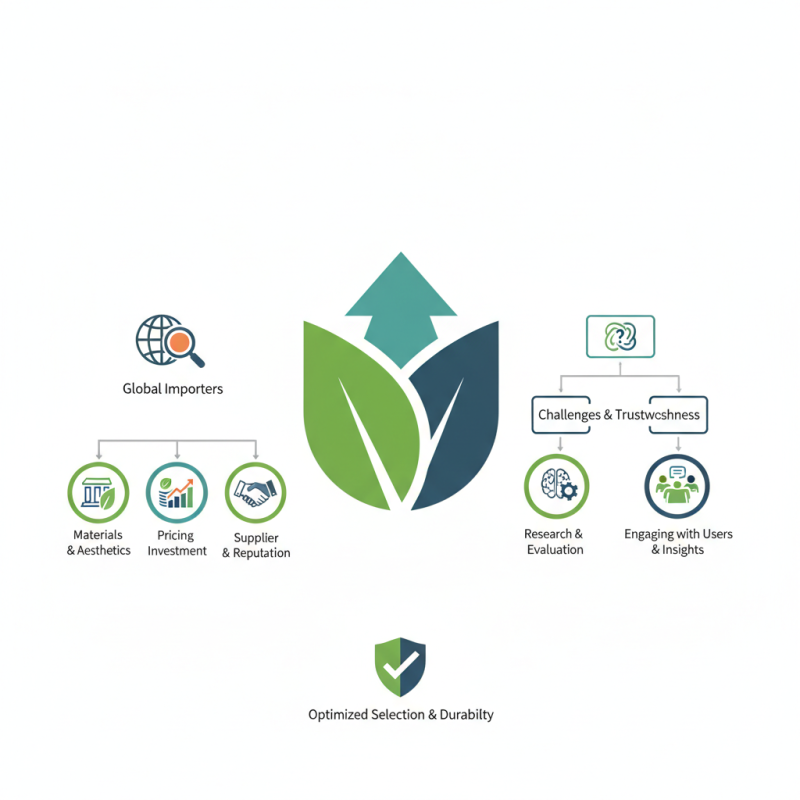
In today's market, the demand for Wpc Pvc Panels is on the rise. This trend reflects a shift towards sustainable building materials. Importers face many choices, and making the right decision is crucial. Understanding the materials, pricing, and suppliers is essential.
Choosing Wpc Pvc Panels involves more than just cost. Quality and supplier reliability significantly impact your investment. Your reputation hinges on these choices. Make sure to evaluate the product specifications carefully. The right panels can enhance aesthetics while providing durability.
While navigating the complexities of global import, consider the challenges. Sourcing can be overwhelming. You might question the trustworthiness of various suppliers. Research is vital. Engage with actual users of Wpc Pvc Panels for insights. This knowledge helps avoid pitfalls while optimizing your selection process.
WPC PVC panels combine the advantages of wood and plastic composites. These panels are durable, water-resistant, and environmentally friendly. They are widely used in construction, interior design, and outdoor applications. Designers appreciate their versatility, allowing for creative and functional spaces.
When considering WPC PVC panels, think about the specific needs of your project. Assess the panel thickness and texture. Different finishes can enhance aesthetic appeal. Mismatched textures may not blend well with other materials. Choosing the right style is crucial for a cohesive look.
Tips for buying include researching manufacturers thoroughly. Look for customer reviews and testimonials. Reliable suppliers often have years of experience in the industry. Be aware of varying quality among products. Not all panels will perform equally. Engage with professionals who can guide you based on their past projects. Always ask about guarantees and warranties to safeguard your investment.
When purchasing WPC PVC panels, there are key factors to keep in mind. Understanding the material's durability is crucial. WPC (Wood Plastic Composite) combines wood fibers and recycled plastics. This combination enhances its weather resistance. The panels resist moisture, termites, and rot, making them suitable for various climates. Look for certifications that ensure compliance with safety standards.
Quality is not just about materials. Evaluating the manufacturing process can reveal a lot. Well-constructed panels tend to have better longevity. Don't hesitate to ask about the production methods used by suppliers. Transparency is key in a reliable supplier. Examine the warranty period offered. A longer warranty often indicates the manufacturer’s confidence in their product.
Consider color and design options. Different aesthetics can enhance your project’s appeal significantly. Remember that some panels may fade over time, so choose colorfast options. Additionally, find out about maintenance requirements. While WPC PVC panels are low-maintenance, differing products may have specific care instructions. Lastly, ensure the price aligns with the quality offered. Sometimes, a cheaper option may lead to regret later.
When comparing WPC (Wood-Plastic Composite) panels to traditional PVC panels, several factors come into play. WPC panels are often more environmentally friendly, as they utilize recycled materials. They also boast enhanced durability, making them more resistant to moisture and pests. In contrast, traditional PVC panels may have a lower upfront cost but can lack the longevity and aesthetic appeal of WPC options.
One major difference lies in their applications. WPC panels are versatile and can be used in various settings, including exteriors and high-traffic areas. Traditional PVC panels, while useful, may not hold up as well in harsh conditions. Importers should consider the specific needs of their customers. Is the focus on sustainability or cost?
Tips: Always evaluate the material quality before purchasing. Look for certifications that indicate environmental standards. It’s vital to ask for samples. This can help in making a more informed decision. Remember, choosing between WPC and PVC isn’t just about price—it’s about long-term value. Each moment spent in research can offer significant insights. Reflect on the choices you make; they can impact future projects greatly.
When considering WPC PVC panels, importing can be a complex process. Understanding the landscape of top brands and manufacturers worldwide is critical. The global WPC market is projected to reach $10.28 billion by 2025, with a compound annual growth rate (CAGR) of 10.2%. This growth indicates an increasing demand for durable and sustainable building materials.
Prominent manufacturers dominate this space. They highlight innovations such as improved weather resistance and sustainability. Market reports emphasize the significance of eco-friendly production methods that appeal to environmentally conscious consumers. However, potential buyers should be cautious. Not every company adheres to the same quality standards. Research is necessary.
Tip: Review third-party certifications before choosing a supplier. This ensures that the panels meet required standards.
In this diverse landscape, global brand recognition is often misleading. Some lesser-known manufacturers offer superior products at competitive prices. An extensive review of materials can help you navigate these options effectively.
Tip: Compare product specifications to understand features like weight, thickness, and resistance. Such details can impact overall performance and longevity.
Attention to these nuances helps avoid costly mistakes. Qualified suppliers can enhance your importing experience, providing reliable products adjusted to your needs.
This chart illustrates the market share of WPC PVC panels across different regions globally. The Asia-Pacific region leads the market, followed by North America and Europe, indicating a diverse demand in different geographical areas.
When importing WPC PVC panels, understanding the regulations is crucial. Regulations vary by country. Familiarize yourself with local laws related to building materials. Compliance affects product acceptance at customs. Proper documentation is essential. This includes bill of lading, invoices, and certificates of origin. Ensure that your suppliers provide these documents accurately. Missing or incorrect documentation can lead to delays or additional costs.
Another factor is understanding tariffs and duties. These fees impact your overall expenses. Check the Harmonized System codes for your products. Knowing these codes helps in calculating potential costs. Each country applies different duties based on these codes. Thus, thorough research is necessary to avoid surprises upon arrival. Failure to prepare can create financial strain for your business.
Additionally, consider inspecting the panels before shipment. Quality assurance is key to meeting import standards. Engage with reliable inspection services to ensure product quality. An inspection can highlight potential issues. Poor-quality panels can lead to returns and losses. Reflect on these processes and build a robust import strategy that emphasizes regulatory compliance. This approach may require more effort upfront but leads to smoother operations in the long run.
| Dimension | Description | Regulations | Import Procedures |
|---|---|---|---|
| Thickness | Standard thickness ranges from 5mm to 25mm | Must comply with ASTM standards | Obtain a customs clearance certificate |
| Width | Common widths between 100mm to 600mm | Check local import tariffs on large panels | Submit shipping documents and invoices |
| Length | Typical lengths range from 2m to 3m | Follow packaging and labeling requirements | Schedule inspections upon arrival |
| Weight | Weight can vary based on material density | Regulations on material disposition | Confirm weight with logistics provider |
| Color Options | Available in multiple colors and finishes | Must meet EU color standards if importing | Label products accurately for customs |
: WPC PVC panels combine wood and plastic advantages. They are durable, water-resistant, and eco-friendly.
Assess thickness and texture based on your project. Ensure finishes match other materials for a cohesive look.
Look for customer reviews and supplier experience. Quality varies among products, so engage professionals for guidance.
Regulations differ by country. Understand local laws to ensure product acceptance and proper documentation.
Key documents include invoices, certificates of origin, and bills of lading. Accurate documentation prevents delays.
Tariffs and duties impact overall costs. Research Harmonized System codes to avoid unexpected fees and financial strain.
Yes, quality assurance is crucial. Inspections can identify issues that cause returns or losses for your business.
Work with reliable suppliers and review certifications. Not all brands meet the same quality standards.
Panel weight, thickness, and resistance are critical details. They impact overall performance and longevity.
No, lesser-known manufacturers can offer superior products. Conduct extensive reviews to find the best options.
The article titled "Wpc Pvc Panel Buying Guide for Global Importers" provides a comprehensive overview for those looking to understand and purchase WPC PVC panels. It begins by defining WPC PVC panels and exploring their various applications in construction and design, highlighting their advantages over traditional materials. Key factors to consider when purchasing WPC PVC panels are discussed, including durability, aesthetic appeal, and environmental impact.
Furthermore, the article offers a comparative analysis between WPC and traditional PVC panels, emphasizing the benefits of WPC in terms of sustainability and performance. It also outlines the top global brands and manufacturers within the WPC PVC panel market, providing insights into quality and reliability. Finally, import procedures and regulations are addressed, guiding potential buyers through the complexities involved in acquiring WPC PVC panels internationally. This guide serves as an essential resource for importers to make informed purchasing decisions.

Xiangying