In the evolving landscape of construction materials, WPC Wood Panel has emerged as a compelling choice. Industry expert John Smith, a renowned architect, emphasizes, "WPC Wood Panel combines sustainability and functionality, making it ideal for modern builds." This innovative material is made from a blend of wood fibers and recycled plastics. It boasts advantages like moisture resistance and durability, essential for various construction applications.
WPC Wood Panels are revolutionizing traditional building techniques. They are increasingly being used in both residential and commercial projects. The visual appeal of WPC Wood Panels can enhance any design aesthetic. However, some still question its long-term sustainability compared to natural wood. This ongoing debate reflects the industry's evolving standards.
As construction professionals explore sustainable options, WPC Wood Panels stand out. They promise not only durability but also a reduced carbon footprint. Incorporating this material requires a thoughtful approach. We must critically assess the balance between innovation and environmental impact in our projects.
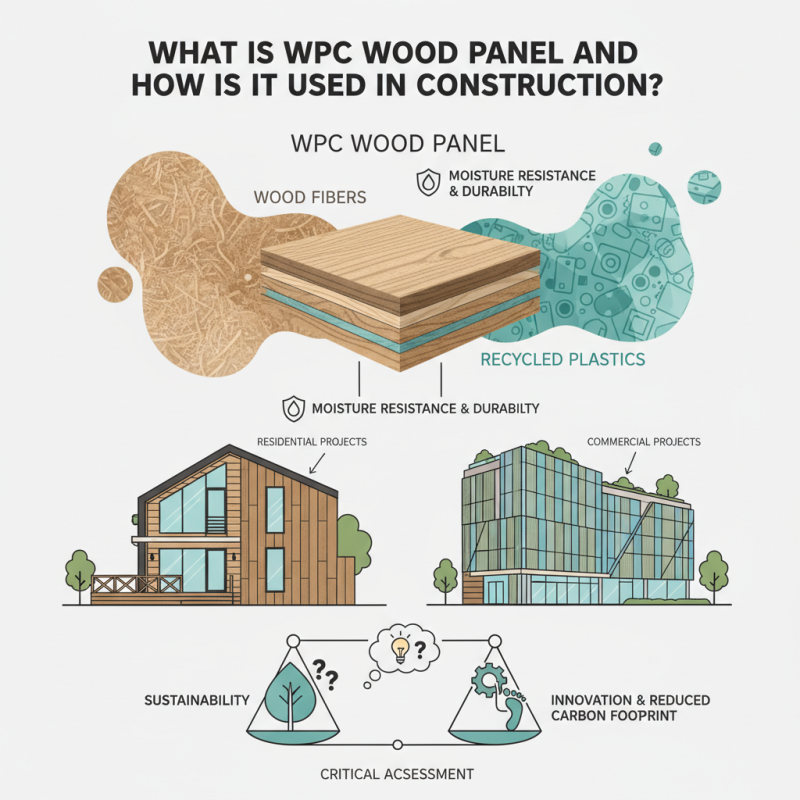
What is WPC Wood Panel?
WPC, or Wood Plastic Composite, is changing the construction landscape. It combines wood fibers with thermoplastics, creating a durable and versatile material. According to a report by MarketsandMarkets, the global WPC market is expected to grow at a compound annual growth rate (CAGR) of 12.5% from 2021 to 2026. This growth reflects the rising demand for eco-friendly materials in construction.
WPC wood panels offer several advantages. They are resistant to moisture and insects, making them ideal for outdoor applications. Additionally, they require less maintenance than traditional wood. This quality appeals to builders seeking long-lasting solutions. Interestingly, a study by the American Wood Council indicates that WPC can outperform wood in terms of durability and lifespan. However, challenges remain. The manufacturing process can sometimes lead to uneven quality, and not every supplier meets high standards.
The sustainability aspect of WPC is key. With increasing environmental awareness, many companies are looking to recycled materials. A report from the U.S. Forest Service states that WPC panels can save up to 50% of trees compared to traditional wood products. This reflects a significant step toward greener construction practices. Yet, issues like material sourcing and production ethics must also be scrutinized.
Usage of WPC Wood Panels in Construction
Composition and Characteristics of WPC Panels
WPC panels, or Wood Polymer Composites, are increasingly popular in construction. Their composition typically includes wood fibers, plastic polymers, and additives. According to a 2022 market report, the global WPC industry is projected to grow significantly, driven by a shift toward sustainable materials.
The characteristics of WPC panels contribute to their appeal. They boast high durability, resistance to moisture, and lower maintenance requirements. A study from the Building Research Establishment highlighted that WPC panels can withstand various weather conditions better than traditional wood. This makes them suitable for both indoor and outdoor applications.
Yet, not all WPC panels are created equal. Variability in manufacturing processes can affect the quality and performance of these materials. Industry experts emphasize the importance of thorough testing and certification. Relying on reputable reports and standards is crucial for ensuring structural integrity. This brings to light the ongoing challenges in the WPC sector, such as inconsistency in raw material sources.
Advantages of Using WPC Panels in Construction
WPC (Wood Plastic Composite) panels are becoming popular in the construction industry.
These panels combine wood fibers with plastic, creating a durable and versatile product.
One notable advantage of WPC panels is their resistance to moisture and insects.
They perform exceptionally well in outdoor settings, where traditional wood can rot or become infested.
Another key benefit is the reduced maintenance required. Unlike natural wood, WPC panels do not need frequent painting or staining.
This can save both time and money in long-term upkeep. Builders appreciate that WPC is available in various colors and finishes, making it easy to match design preferences.
However, there are some considerations to keep in mind. WPC panels can be heavier than other materials, making handling a bit challenging.
Additionally, while they are resistant to decay, they may not be as strong as solid wood or metal. Proper installation is crucial to maximize their benefits.
Understanding both the strengths and limitations of WPC is essential for making informed decisions in construction.
Common Applications of WPC Wood Panels
WPC wood panels, made from a blend of wood fibers and plastic, are gaining popularity in construction. Their versatility makes them suitable for many applications. One common use is in decking. Homeowners appreciate WPC for its durability and resistance to moisture. It provides the aesthetic appeal of wood without the high maintenance.
Another application is in cladding. Builders often choose WPC panels for exterior wall coverings. They offer weather resistance and enhance the building's insulation. This not only improves energy efficiency but also reduces the risk of mold. However, some may question the long-term environmental impact due to plastic content.
Lastly, WPC wood panels are frequently used in furniture. They combine style and functionality, fitting well in both residential and commercial spaces. While WPC seems an excellent alternative, it's crucial to consider sustainability. Exploring eco-friendly options within WPC materials is an ongoing challenge for manufacturers and consumers alike.
Installation and Maintenance of WPC Wood Panels
WPC (Wood-Plastic Composite) wood panels are increasingly popular in construction due to their durability and low maintenance needs. Installation of WPC panels involves straightforward techniques that can accommodate various designs. Accurate measurements and appropriate tools are essential. Proper alignment ensures stability and longevity. According to a report by the U.S. Department of Energy, WPC panels can last up to 25 years with minimal maintenance if correctly installed.
Regular maintenance is crucial. Cleaning with mild detergents helps prevent mold and dirt buildup. However, some users overlook this step. Experts recommend periodic inspections to identify warped panels or loose fittings. These issues, if ignored, can lead to further damage. The American Wood Council emphasizes that even durable materials need care to maintain their properties and aesthetics.
The initial cost of WPC panels can be higher than traditional wood. Some projects have faced budget constraints. However, the reduced need for maintenance and longer lifespan often provide better value over time. It is essential to weigh these factors carefully. A thoughtful approach can result in optimal choices for contractors and homeowners alike.
FAQS
: WPC wood panels combine wood fibers with thermoplastics for durability and versatility.
They resist moisture and insects, preventing decay in outdoor conditions.
WPC panels need less maintenance than traditional wood, saving time and money.
Proper measurements and alignment are crucial for stability and longevity.
Yes, with proper installation, WPC panels can last up to 25 years.
They can be heavier and may not match the strength of solid wood or metal.
Regular cleaning with mild detergent and periodic inspections can help prevent damage.
Initial costs may be higher, but longer lifespan and less upkeep provide better long-term value.
Yes, they can save up to 50% of trees compared to traditional wood products.
The manufacturing process may lead to uneven quality, and ethical sourcing must be considered.
Conclusion
WPC wood panel, a composite material made from wood fibers and thermoplastics, has gained popularity in the construction industry due to its unique composition and advantageous characteristics. These panels boast durability, resistance to moisture and insects, and minimal maintenance requirements, making them an excellent alternative to traditional wood products. Their eco-friendly nature further enhances their appeal, as they utilize recycled materials.
In construction, WPC wood panels are commonly used for decking, fencing, and outdoor furniture, contributing to both aesthetic and functional aspects. Their ease of installation and versatility allow for a wide range of applications, from residential to commercial projects. Regular maintenance mostly involves cleaning, ensuring that WPC wood panels retain their appearance and performance over time. Overall, WPC wood panels present a sustainable and efficient choice for modern building needs.

 Xiangying