In modern commercial architecture and residential property development, sourcing building materials that balance capital expenditure (CapEx) efficiency with long-term durability is the ultimate goal. Traditional timber, while aesthetically warm, incurs substantial lifecycle operational costs (OpEx) due to cracking, rotting, insect infestation, and persistent refinishing requirements. Consequently, global markets are shifting towards Wood-Plastic Composite (WPC) technologies.
As procurement officers and architectural specifiers seek the best price composite decking, they look beyond simple unit costs. True optimization requires direct collaboration with Chinese factories that provide integrated supply chains, automated production scales, and rigorous compliance testing. Shandong Xiangying New Materials Technology Co., Ltd. addresses this demand by offering factory-direct pricing backed by state-of-the-art co-extrusion technology, raw material vertical integration, and deep logistical expertise.
By eliminating intermediate distributor markups and capitalizing on localized scale manufacturing in Linyi, China, we enable international distributors, contractors, and real estate developers to secure robust margins while delivering E0-compliant and B1-fire-rated architectural systems to their respective domestic markets.
Shandong Xiangying New Materials Technology Co., Ltd. was established in 2014 as a vertically integrated manufacturer specializing in WPC wall panels, outdoor wood-plastic flooring, UV marble panels, and engineered rock panels. Our primary mission is to create maximum economic benefits for our clients by delivering premium composite materials at competitive price points.
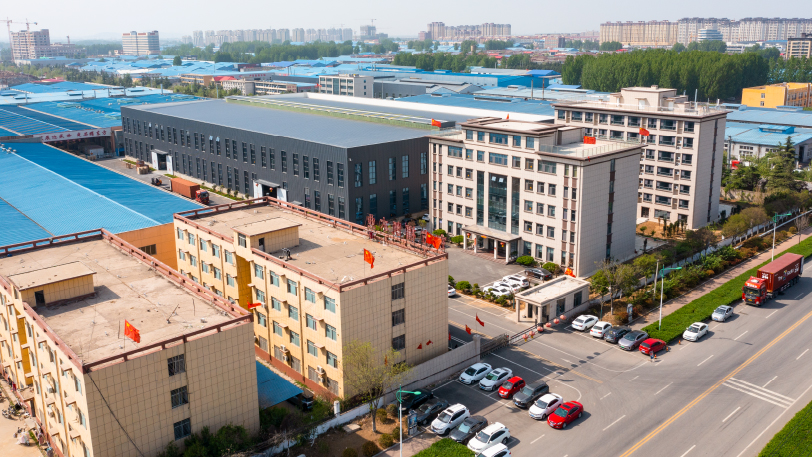
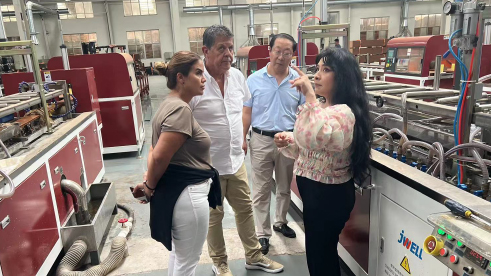
Operating with a foundation of mutual trust and win-win cooperation, we have built a reputation over the past decade as a reliable manufacturing partner. Our facilities in Shandong utilize advanced raw material blending, high-precision tooling, and computerized quality-control monitoring. Our 300,000 cubic meters of annual output guarantees prompt lead times for large-scale municipal, commercial, and residential projects worldwide.
| Compliance Parameters | Testing Standard | Xiangying Rated Metric |
|---|---|---|
| Formaldehyde Release | EN 717-1 (Chamber Method) | E0 Grade (Non-detectable / Zero Odor) |
| Fire Safety Performance | GB 8624-2012 / EN 13501-1 | B1 Class (Flame Retardant, Self-extinguishing) |
| Water Absorption Coeff. | ASTM D570 | < 0.5% after 24-hour immersion |
| Linear Thermal Expansion | ASTM D696 | < 3.0 x 10⁻⁵ / °C |
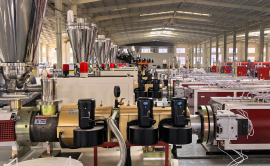
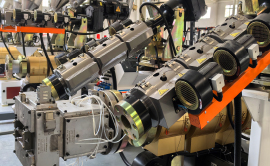
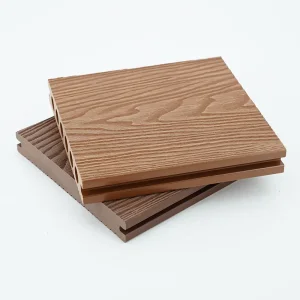
WPC wall panels and decking are engineered composites utilizing thermoplastic matrices like polyethylene (PE), polypropylene (PP), or polyvinyl chloride (PVC) combined with organic reinforcement. At Shandong Xiangying, we incorporate over 50% recycled plant fibers (primarily wood flour, rice husks, and agricultural straw) mixed with polymer resin matrices and performance-enhancing additives (coupling agents, UV stabilizers, pigment packages, and lubricants).
During manufacturing, these ingredients undergo a multi-zone thermal extrusion and injection molding process. Key technologies in our roadmap include:
An outer protective shield co-extruded simultaneously with the WPC core, enclosing the profile in a 360-degree layer of moisture-proof and UV-resistant polymer shield. This ensures high scratch resistance and color retention under intense sunlight exposure.
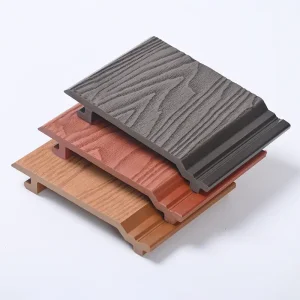
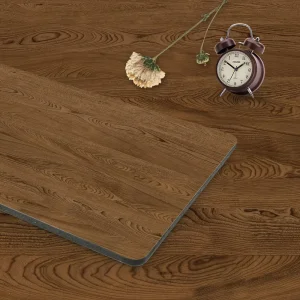
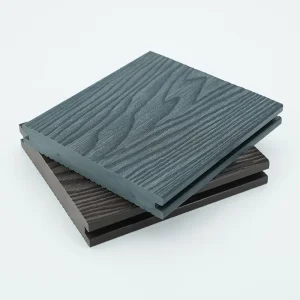
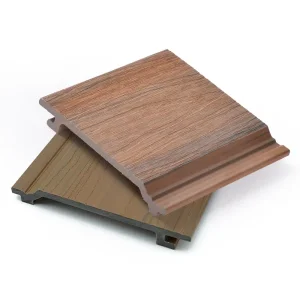
Online embossing rollers apply structural wood grain depth directly onto the profiles during the hot extrusion stage, delivering a natural aesthetic that simulates rare hardwoods without peeling, splintering, or losing slip resistance.
Utilizes advanced multi-channel dye systems that inject varied color tones directly into the melt flow, creating organic, non-repeating color variations similar to natural timber grain.
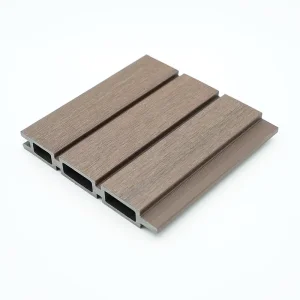
Shandong Xiangying operates four modern production divisions designed to meet commercial indoor and outdoor requirements:
Ideal for commercial partitions, wall decoration, and retail space ceilings. Offers minimal thermal distortion and rapid tongue-and-groove installation.
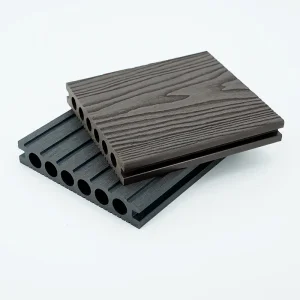
Surface Options:Designed to withstand direct weathering, sunlight, high humidity, and pedestrian wear in public zones and terraces.
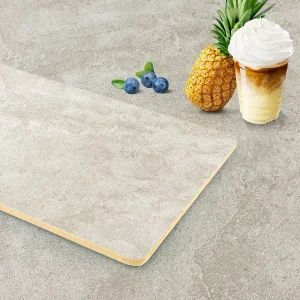
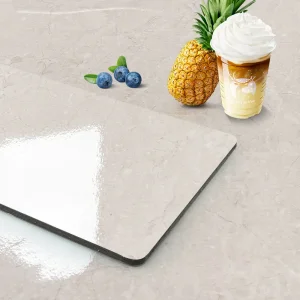
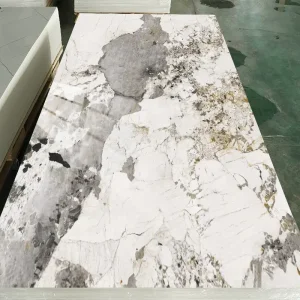
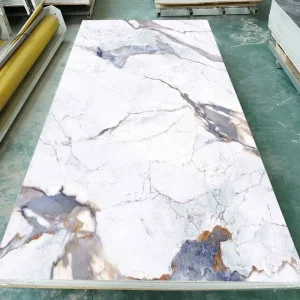
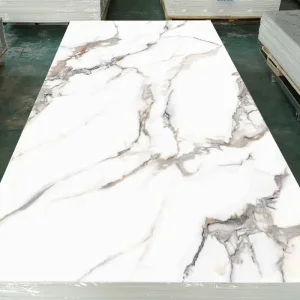
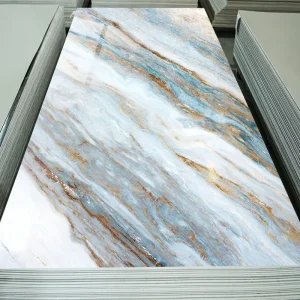
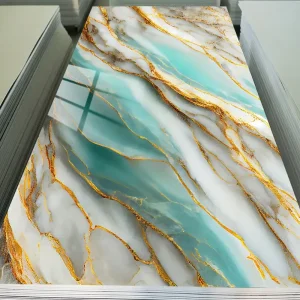
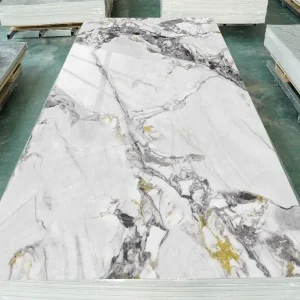
Processing & Finishes:A lightweight cladding alternative to solid marble, utilizing high-gloss UV coatings cured under high-intensity UV lamps.
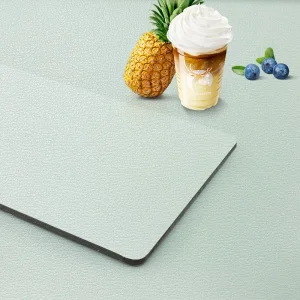
Design Categories:A new indoor decoration material utilizing activated bamboo charcoal powder to absorb odors and self-regulate ambient moisture.
Aesthetic Textures: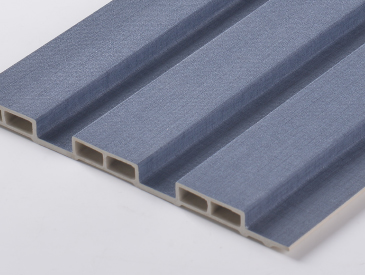
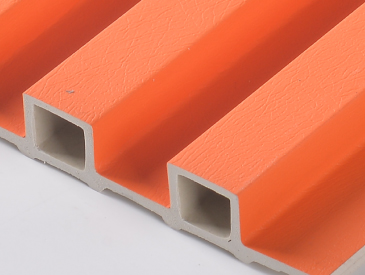
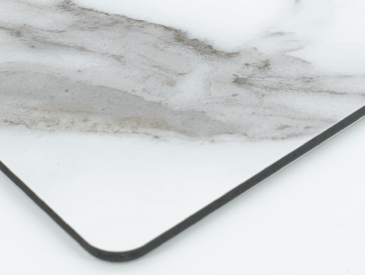
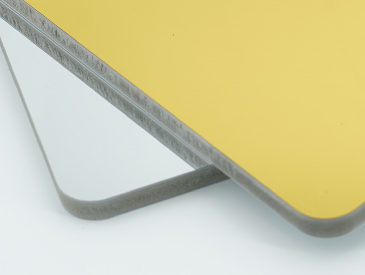
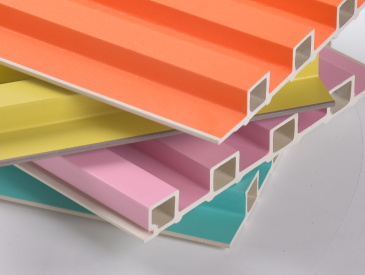
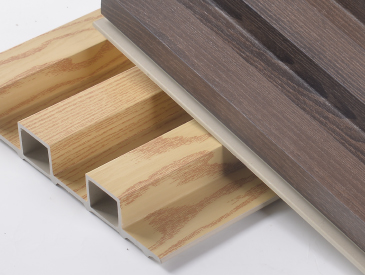
Managing commercial projects entails navigating diverse environmental conditions and construction constraints. Our systems are engineered to address specific technical challenges:
By encapsulated co-extrusion technology, moisture uptake is limited to less than 0.5%. Perfect for high-moisture sites like swimming pool surrounds, garden pathways, and beachfront terraces. Anti-mold properties resist spore cultivation in damp climates.
Intense UV exposure routinely compromises polymer matrices. Our outdoor composite formulations integrate light stabilizers (HALS) and premium titanium dioxide pigments, ensuring structural integrity in high-UV regions such as the Middle East and Australia.
Each WPC profile features structured hollow designs to reduce overall weight without sacrificing load-bearing capacity. Fastened clip systems eliminate the need for surface screws, speeding up installation and lowering direct labor costs.
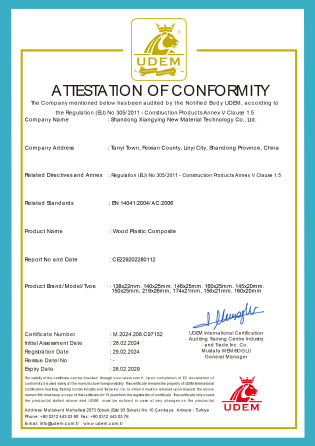
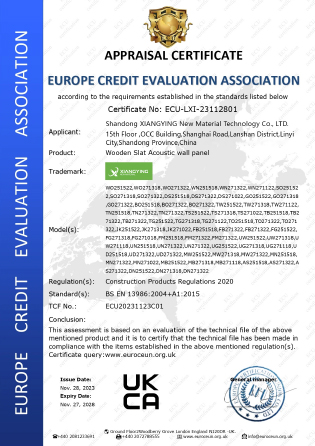
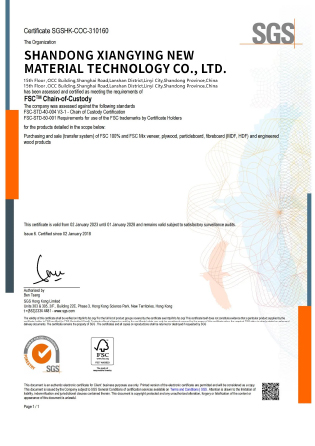
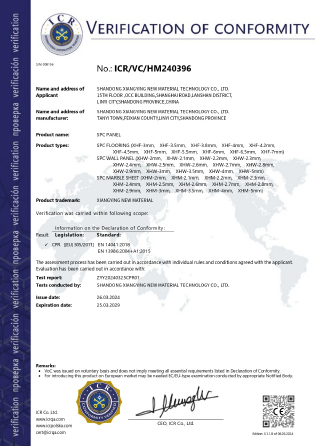
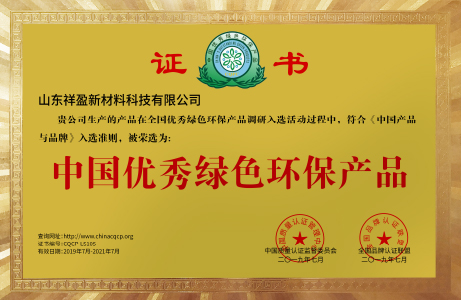
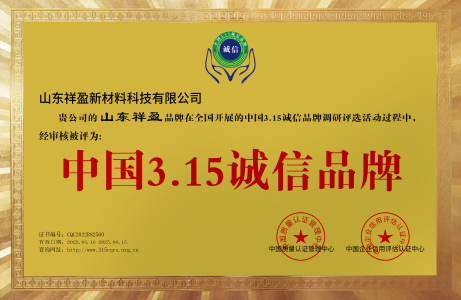
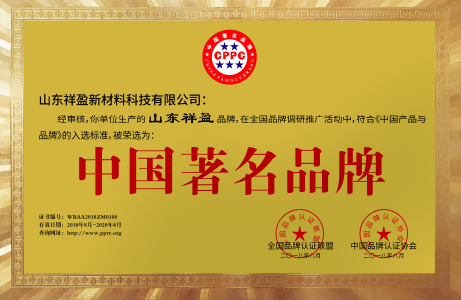
Shandong Xiangying maintains stringent manufacturing protocols to verify compliance with global safety and environmental requirements.
Eco-Standard Integrity: Our materials meet the E0 environmental protection grade, which certifies that formaldehyde emissions are below detectable thresholds. This guarantees that internal wall cladding remains safe for high-occupancy public areas, educational facilities, and residences.
Fire Retardancy: The physical blend of mineral matrices and flame-retardant additives achieves a B1 fire protection classification. This ensures our profiles are self-extinguishing upon ignition, generating minimal smoke to maintain egress paths during emergencies.
Localized Engineering Support: From our offices, we coordinate color matching, profile design modifications, and physical testing validation, helping distributors conform to local building codes in Europe, North America, and Australia.
WPC pricing depends primarily on the polymer-to-wood-fiber ratio, capping polymer quality, and pigments used. Co-extruded WPC costs more than mono-extruded alternatives because of the secondary capping process, but it offers better scratch and fade resistance. Working directly with Shandong Xiangying lowers expenses by sourcing raw materials locally and utilizing high-throughput extrusion lines to minimize labor overhead.
Polymers naturally expand and contract with temperature changes. Our WPC formulation maintains a linear thermal expansion coefficient under < 3.0 x 10⁻⁵ / °C. Installing expansion gaps at joints helps absorb these shifts without buckling or pulling fasteners loose.
Bamboo Charcoal Wood Veneer contains activated bamboo charcoal powder in its core. This structural difference improves moisture regulation and adsorption capacity, which helps control indoor VOCs and ambient moisture. This makes it ideal for indoor wall paneling, residential backgrounds, and commercial wall cladding.
B1-rated materials are flame-retardant. When exposed to open flames, they resist ignition and self-extinguish once the flame source is removed, slowing fire spread and minimizing carbon monoxide emissions.
Co-extruded decking does not require sanding, staining, or sealing. Cleaning with soap and water is generally sufficient to remove surface dirt. The polymer capping layer prevents oil stains and red wine spills from penetrating the WPC core.
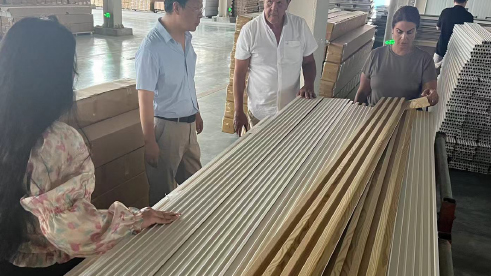
All profiles are packed using protective PE films and heavy-duty corrugated cartons, then bundled on reinforced export pallets. Edge protectors and strapping secure the load inside shipping containers to prevent shifting during maritime transport.
As global environmental frameworks tighten, WPC development is focusing on biological circularity and carbon neutrality. Future research targets replacing virgin petroleum plastics with bio-resins derived from agricultural waste, and modifying cellulose fibers to improve bonding with polymer chains.
Shandong Xiangying's R&D team works to improve coupling chemistry, reducing processing temperatures while increasing physical strength. Over the next decade, we aim to decrease our carbon footprint by utilizing solar energy arrays across our 100,000 square meter facility and transitioning our logistics fleets to clean-energy vehicles. Partnering with Xiangying connects you to a high-capacity supply chain aligned with global sustainability standards.
 Xiangying