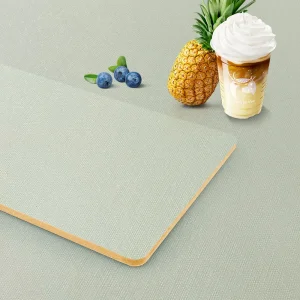
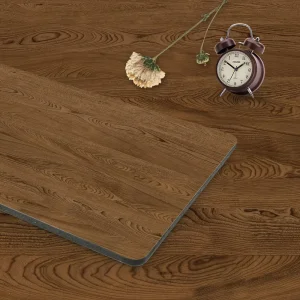
High-performance interior claddings specifically customized to withstand tropical coastal climates.
Why local contractors and commercial interior designers in Port of Spain, Chaguanas, and San Fernando are turning away from raw wood and standard MDF.
Trinidad and Tobago experiences a warm, tropical climate characterized by distinct wet and dry seasons, high relative humidity (averaging 75% to 85%), and intense marine air exposure containing high salinity. Standard building materials like medium-density fiberboard (MDF), traditional plywood, and low-grade particle boards rapidly absorb moisture under these conditions. This leads to swelling, warping, structural delamination, and critical failures such as fungal rot or black mold infestations within short cycles.
By leveraging advanced Bamboo Charcoal Wood Veneer technology, local developers receive an engineered co-extruded composite that exhibits a near-zero water absorption coefficient. The natural hydrophobic properties of bamboo charcoal, combined with high-grade polymer cladding, ensure that structural elements in commercial hubs in Chaguanas and coastal eco-resorts in Tobago maintain absolute dimensional stability, year after year.
Subterranean termites present a significant threat to timber structures across Trinidad and Tobago. Bamboo charcoal composites are non-organic and lack the cellulose structures that attract wood-boring pests, eliminating the need for hazardous chemical pesticide treatments.
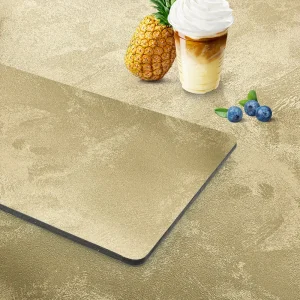
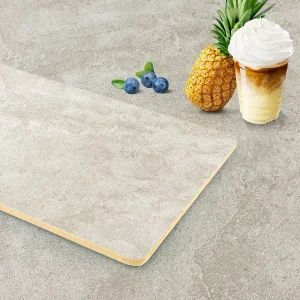
Tobago's booming boutique hospitality sector requires interior finishes that look upscale but demand zero maintenance. The high-definition aesthetic finishes (mirror, metallic, woven, and fine wood grains) offer premium European-level design with a minimal carbon footprint.
With corporate headquarters expanding in Port of Spain, fire-safety (B1 standard) and volatile organic compound (VOC) levels (E0 rating) are non-negotiable. Our bamboo charcoal sheets emit zero formaldehyde and suppress flame propagation.
Shandong Xiangying New Materials Technology Co., Ltd. — Delivering high-throughput, automated manufacturing directly to Caribbean distributors and commercial contractors.
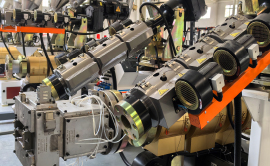
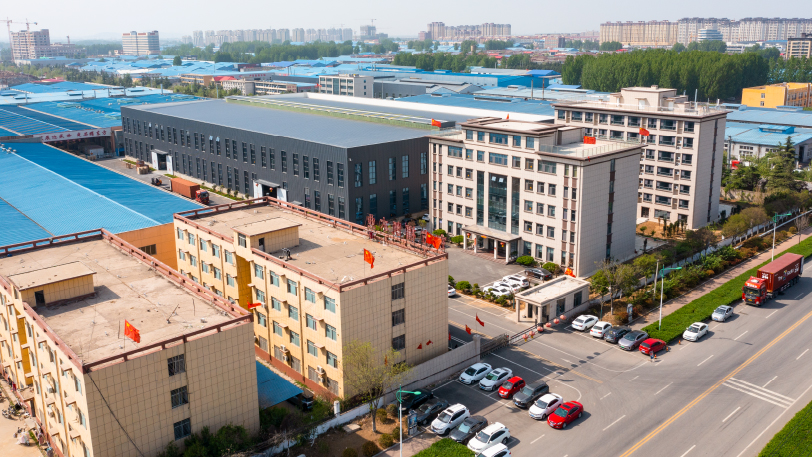
Established in 2014, Shandong Xiangying New Materials Technology Co., Ltd. operates a modernized, standardized factory complex covering over 100,000 square meters. Equipped with more than 100 advanced automated extrusion lines, our annual output exceeds 300,000 cubic meters of wood-plastic composites and engineered indoor wall solutions.
Our commitment to Industry 4.0 standards integrates computerized raw material mixing, real-time thermal calibration during co-extrusion, and automated surface laminating lines. This high level of precision guarantees that every panel exported to the Port of Spain port is physically consistent, within strict dimensional tolerances, and ready for immediate on-site installation.
Get Factory Tour ReportSqm Production Plant
Active Extrusion Lines
Countries Served Worldwide
M³ Annual Capacity
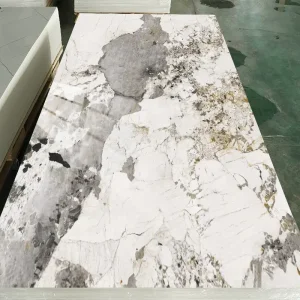
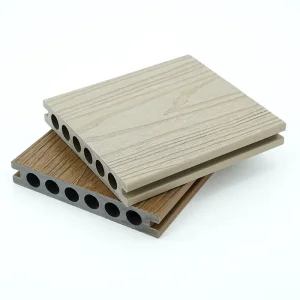
From interior bamboo charcoal cladding to robust exterior deckings and high-gloss UV marble sheets.

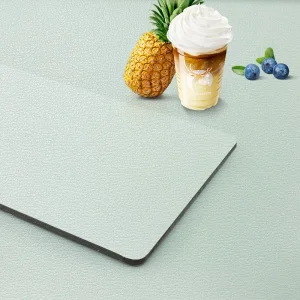
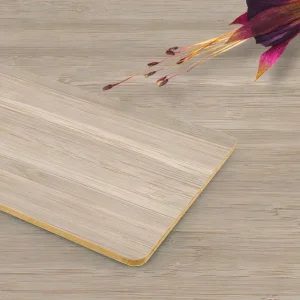
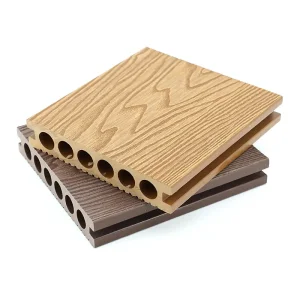
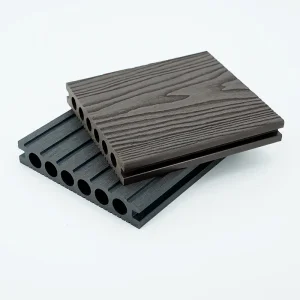
Expanding project options with highly complementary, waterproof, and co-extruded commercial systems.
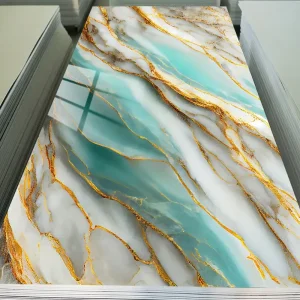
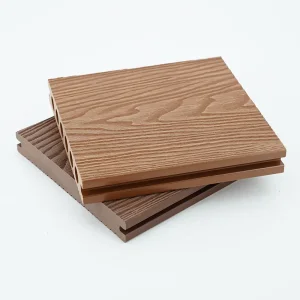
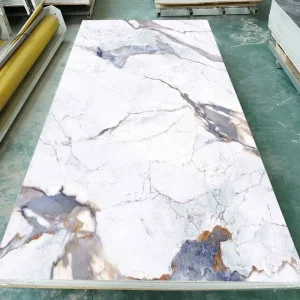
Understanding the microscopic structure and performance criteria that give Shandong Xiangying products their superior edge.
Bamboo charcoal wood veneer is a revolutionary interior wall cladding material that merges natural organic matter with high-strength synthetic polymers. The core is constructed using bamboo fibers carbonized at temperatures above 800°C. This pyrolysis process leaves behind a highly porous cellular structure that naturally regulates ambient humidity, acts as an acoustic sound barrier, and dynamically adsorbs toxic volatile organic compounds (VOCs).
This carbonized core is further stabilized by blending it with calcium carbonate, high-density polyethylene (HDPE), and performance stabilizers. The mixture is then subjected to high-pressure twin-screw co-extrusion. The result is a high-density panel that offers the natural aesthetic warmth of exotic wood veneer, without the common drawbacks of splitting, water absorption, or insect degradation.
Under international construction codes, indoor wall claddings must comply with strict fire spread and formaldehyde outgassing ratings. Our products carry the highly coveted E0 Environmental Standard certificate, meaning the level of formaldehyde emission is virtually zero, making them highly suitable for schools, hospitals, and high-end residential estates in Trinidad and Tobago.
Additionally, the panels have been engineered to meet the B1 Fire Protection Standard. Under active exposure to flame, the material will not propagate fires, possesses low thermal conductivity, and acts as a self-extinguishing barrier. Upon the removal of the fire source, it self-extinguishes instantly and does not generate hazardous toxic smoke.
How leading Caribbean developers utilize our materials to design resilient and premium architectural spaces.
For beachfront villas located near Crown Point, Tobago, standard drywalls rot due to coastal fog. Applying our Moisture Resistant Bamboo Charcoal Wood Veneer on the interior walls provides an upscale, wood-texture aesthetic while ensuring complete resistance to salty humidity.
Multi-national banks and high-rise office facilities in downtown Port of Spain demand strict safety parameters. Designers specify our B1-rated Bamboo Wood Veneer and UV Marble Sheets for conference backdrops and lift lobby walls, avoiding raw wood hazards entirely.
Fast-casual dining spaces and high-end restaurants in San Fernando require wall claddings that can withstand heavy scrubbing, grease exposure, and accidental collisions. The scratch-resistant, washable properties of our veneers maintain brand look under heavy commercial traffic.
Whether you are a building material distributor in Port of Spain or a large-scale real estate contractor in San Fernando, Shandong Xiangying provides factory-direct custom sizes, textures, and shipping support.
Send Inquiry NowProviding clear, direct answers regarding custom orders, container shipping times, and material performance in Caribbean projects.
 Xiangying