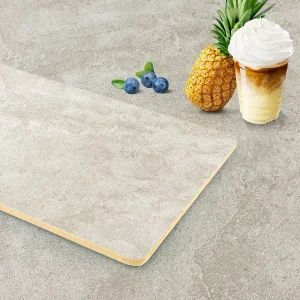
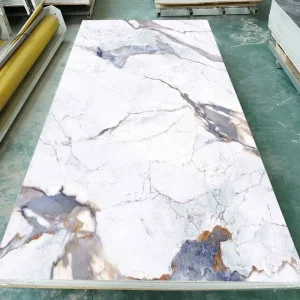
As Tanzania continues its rapid urbanization trajectory, cities like Dar es Salaam and Arusha are witnessing a massive surge in residential and commercial real estate development. For developers and contractors, the challenge lies in sourcing materials that can withstand East Africa's unique climatic conditions—high humidity, intense solar UV radiation, and seasonal precipitation.
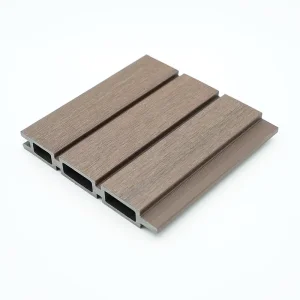
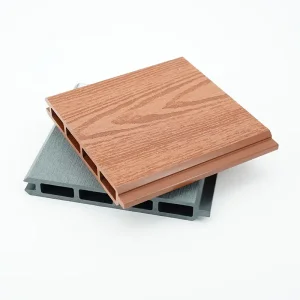
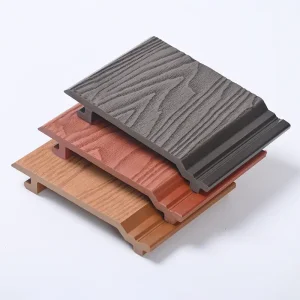
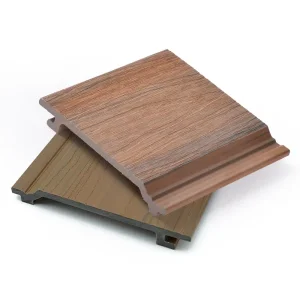
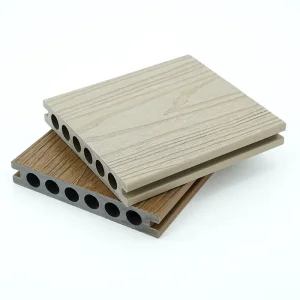
Traditional wood materials often fail under these harsh environmental stressors due to rot, warping, and insect infestation. This is where Outdoor WPC (Wood-Plastic Composite) Wall Panels emerge as the industry-standard solution. By blending reclaimed wood fibers with high-density polymers, our manufacturing processes create a facade material that offers the aesthetic warmth of natural timber with the durability of modern synthetics.
Global enterprises and local developers are pivoting toward sustainable, low-maintenance construction materials. In the Tanzanian market, the demand for WPC is driven by:
Our factory utilizes advanced co-extrusion technology, wrapping the WPC core in a protective polymer shield. This process ensures:
This technical roadmap guarantees that every panel exported to Tanzania provides superior UV resistance and color stability, ensuring buildings retain their architectural integrity for decades.
We pride ourselves on rigorous compliance. Our products meet international B1 level fire protection standards and E0 environmental protection standards. For our Tanzanian partners, this means peace of mind regarding safety and regulatory adherence. Whether for government infrastructure or private villas, our materials are vetted for quality, durability, and health safety.
Yes, our co-extruded WPC panels are specifically designed to be waterproof and moisture-proof, preventing the fungal growth commonly associated with high-humidity environments.
We offer flexible shipping terms for international containers. Please contact our sales team to discuss logistics tailored to Dar es Salaam port requirements.
We utilize over 50% waste plant fibers (rice husks, straw) in our manufacturing, significantly reducing the carbon footprint compared to traditional forestry products.
 Xiangying