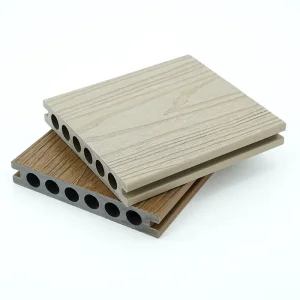
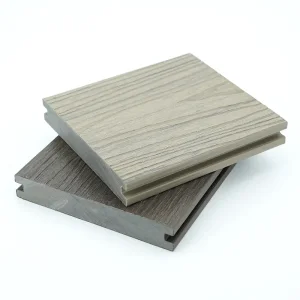
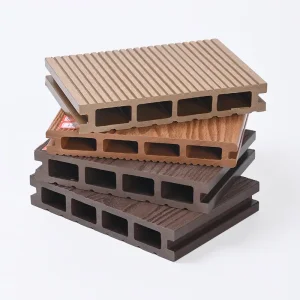
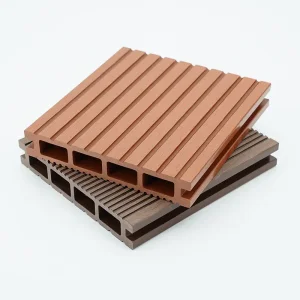
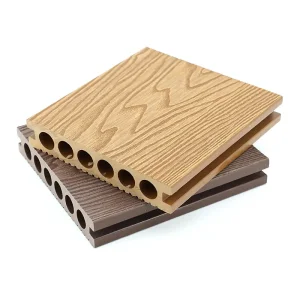
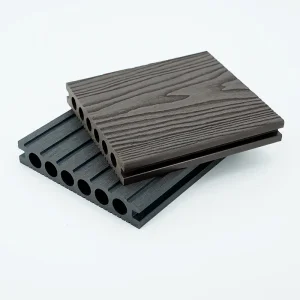
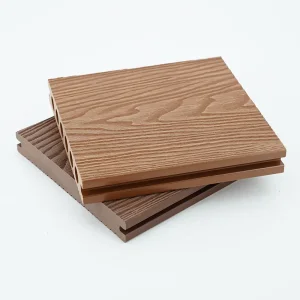
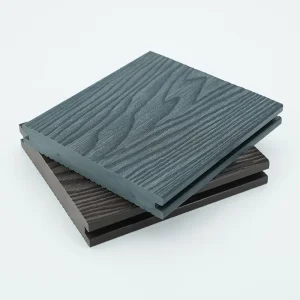
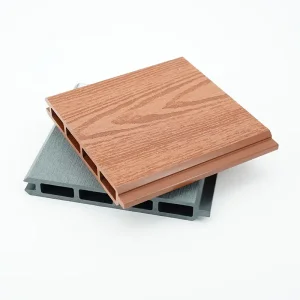
Equatorial Guinea, particularly with its developmental focus in Malabo, Bata, and the future administrative city of Oyala, is undergoing a profound architectural transformation. As a nation characterized by a tropical rainforest climate—high humidity, intense UV radiation, and heavy rainfall—traditional timber decking often fails within years due to rot, termite infestation, and warping. This creates a critical demand for Wood-Plastic Composite (WPC) solutions.
The global WPC market is projected to reach USD 12.5 billion by 2030. Within this growth, Chinese manufacturers like Shandong Xiangying have become the epicenter of innovation. By leveraging advanced co-extrusion technologies, China has moved beyond "plastic-looking" boards to high-fidelity, 3D wood-grain textures that are indistinguishable from natural wood yet offer superior structural integrity.
For procurement officers in Equatorial Guinea, sourcing directly from a Chinese factory provides a 40-60% cost advantage compared to European-sourced materials, while maintaining the same CE and ISO quality standards. This is essential for large-scale projects like the Mongomo hotel renovations or the Sipopo resort expansions.
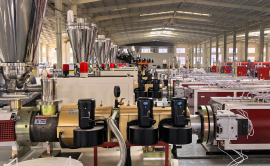
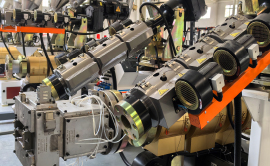
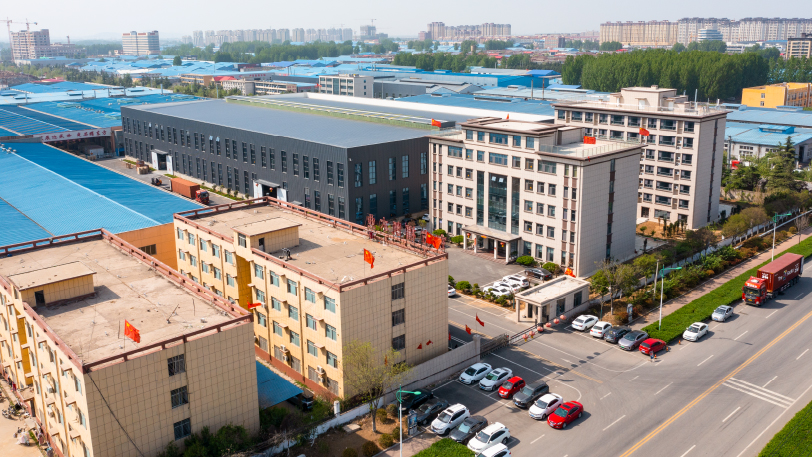
100,000 square meters of standardized production space equipped with over 100 automated extrusion lines, ensuring consistent density and color matching for every batch.
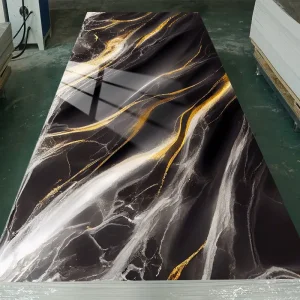
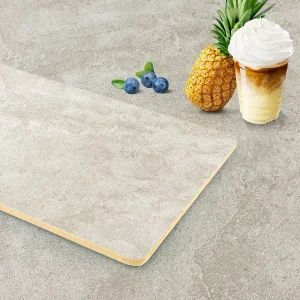
Over 100 series of profiles developed, including 3D-printed UV marble slabs and high-strength bamboo charcoal wood veneers for diverse architectural needs.
Adhering to B1 Fire Protection and E0 Environmental Standards. Our products are formaldehyde-free, making them safe for both residential and commercial zones.
Luxury seaside resorts in Luba or Malabo benefit from our co-extruded decking. Unlike wood, salt air and constant humidity do not cause WPC to splinter or decay, ensuring guest safety and reducing long-term maintenance costs.
As the "Future City of Africa," Djibloho requires eco-friendly materials. Our WPC wall panels and fencing provide a sustainable alternative to concrete and metal, blending perfectly with the surrounding jungle environment.
Importing WPC decking into Equatorial Guinea requires a partner who understands both logistics and tropical engineering. At Shandong Xiangying, we provide a full-service export solution:
A: Specifically designed for tropical zones, our WPC has a water absorption rate of less than 0.5%. This prevents the swelling and mold growth common in traditional wood used in Bata or Malabo.
A: Our Co-extrusion series features a 360-degree protective shield containing high-grade UV inhibitors. This ensures a Delta E < 4 color stability over 10 years, even in high UV environments.
A: Yes, we provide all necessary documentation including Certificate of Origin, Bill of Lading, and Quality Inspection Reports required by Equatorial Guinean customs (ADUANAS).
A: Absolutely. Termites in Central Africa are aggressive toward natural wood fibers. Because our WPC is a dense composite of recycled plastic and wood flour encapsulated in polymer, it has no nutritional value for termites.
Shandong Xiangying New Materials Technology Co., Ltd. was established in 2014, mainly producing, researching and selling various products such as WPC wall panels, plastic wood flooring, UV panels, and rock panels. We have accumulated more than 10 years of experience and strength, with abundant resources and capabilities.
 Xiangying